The Velvet Pilot logo
Meditative Flight

Fly Through Impossible Skies

Deliver packages across worlds that are built as you play. The flight itself is the whole point.

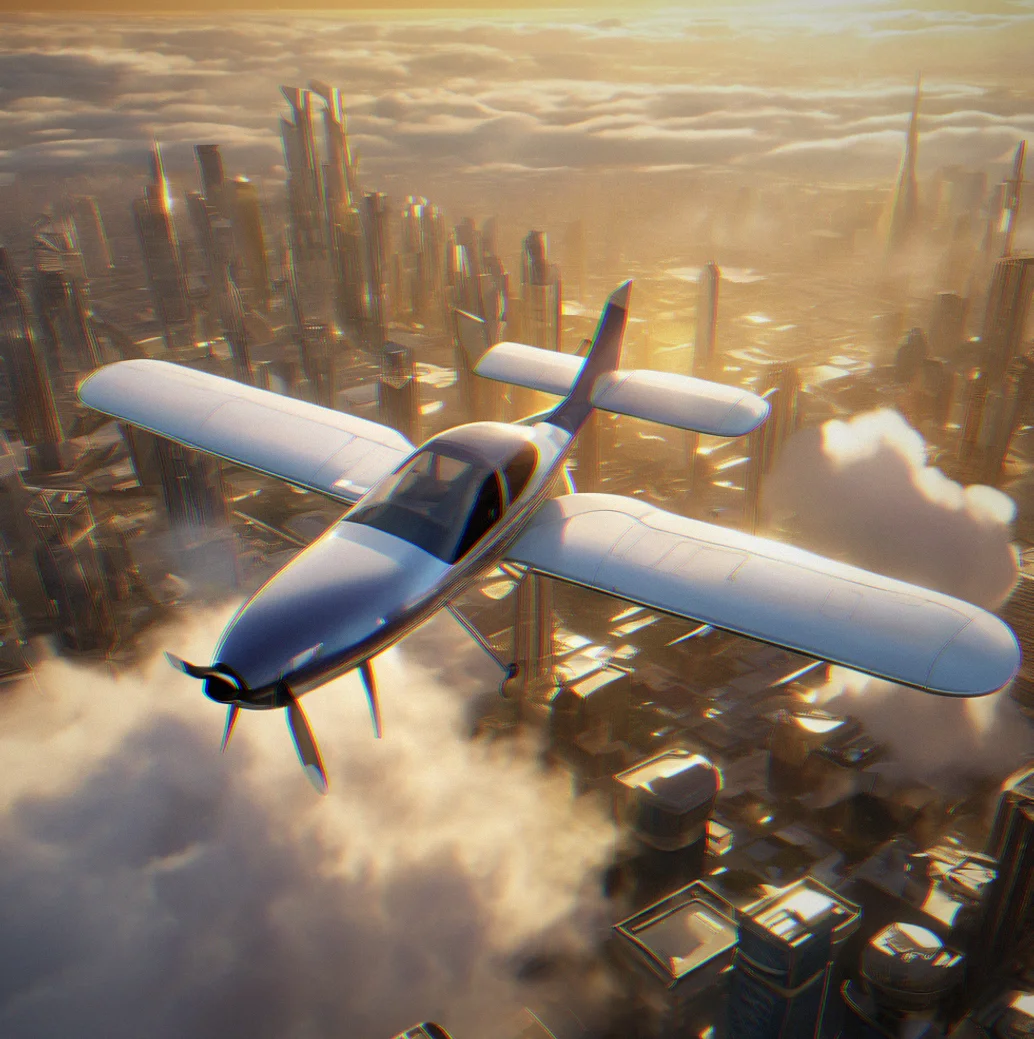
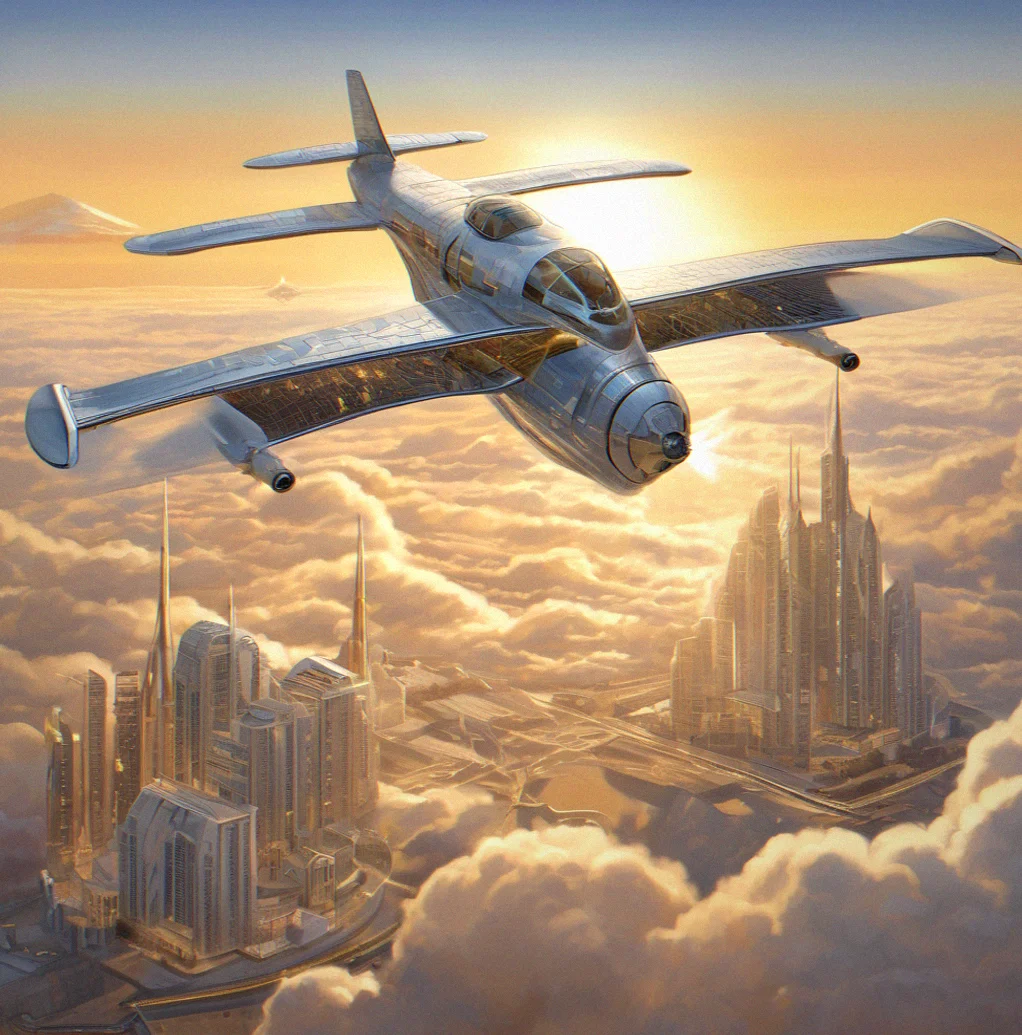
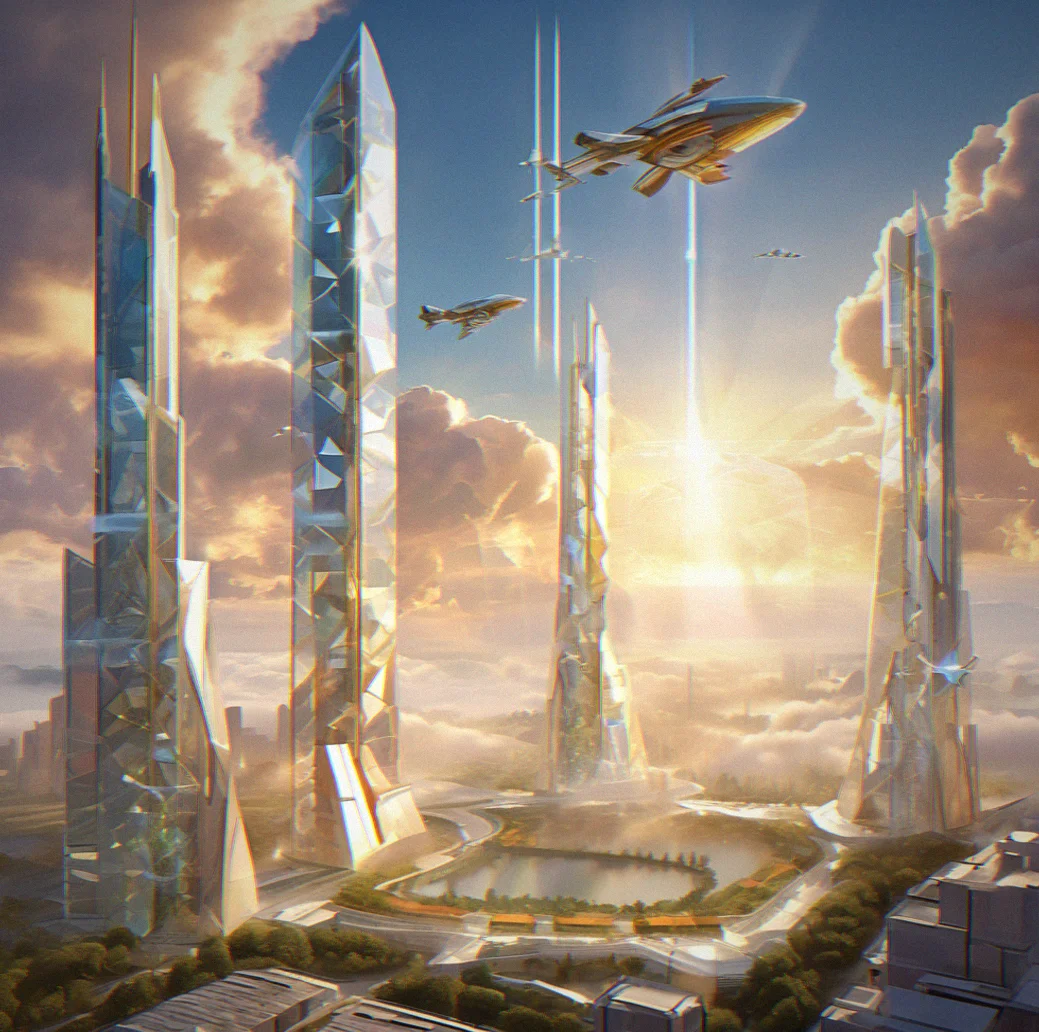
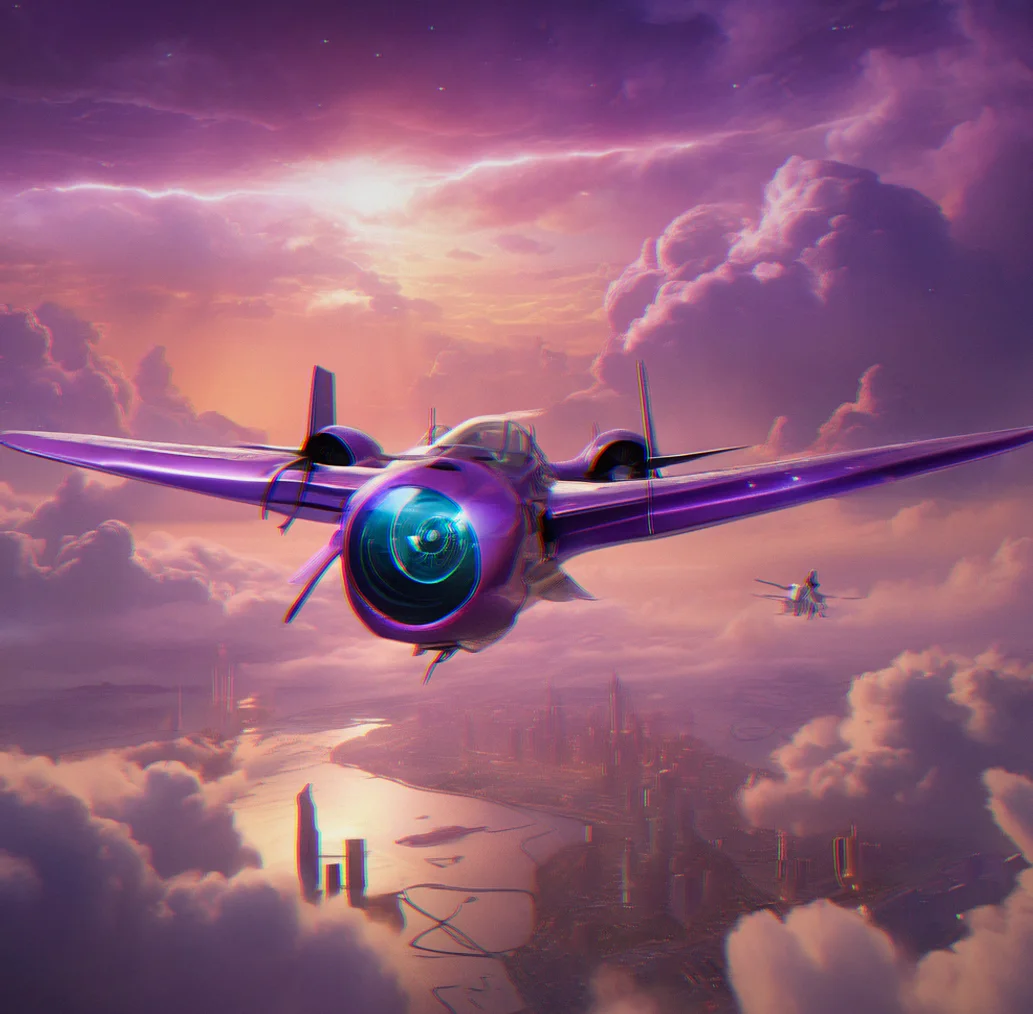
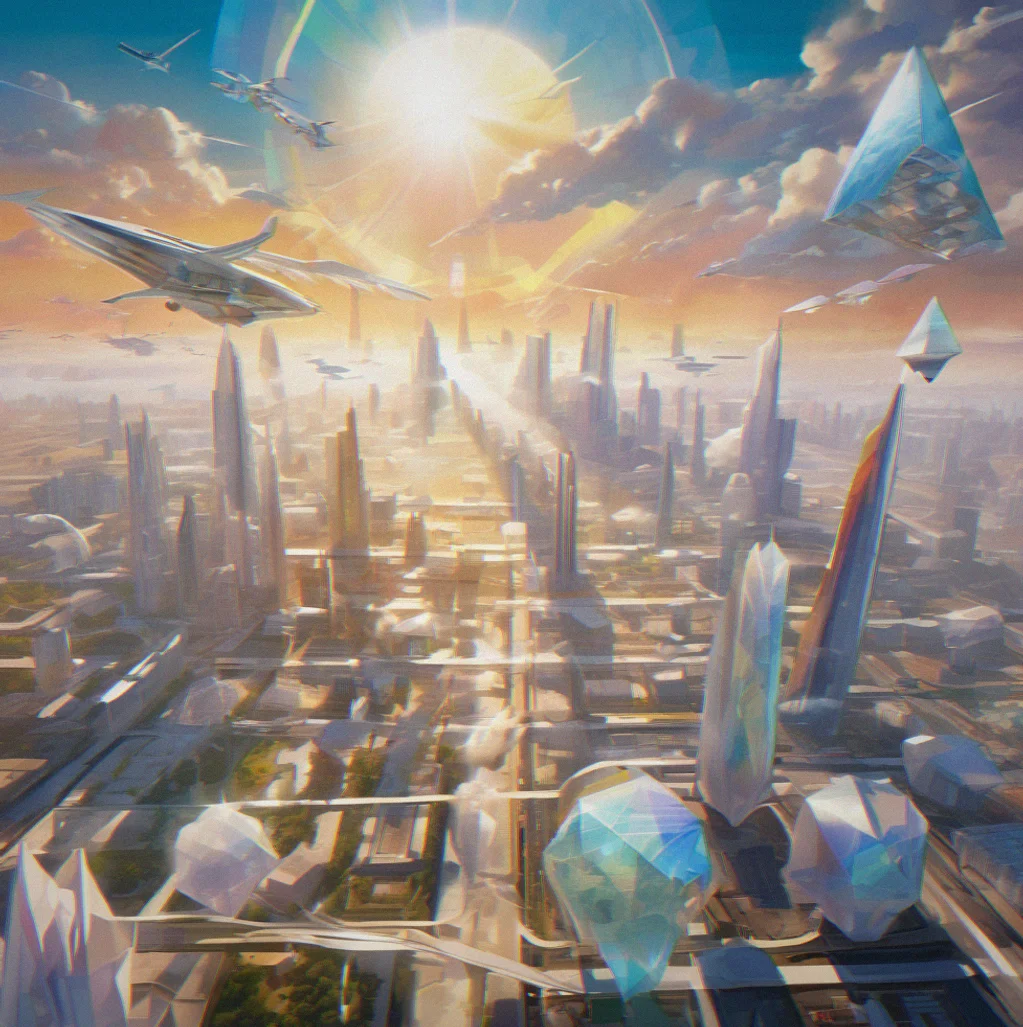
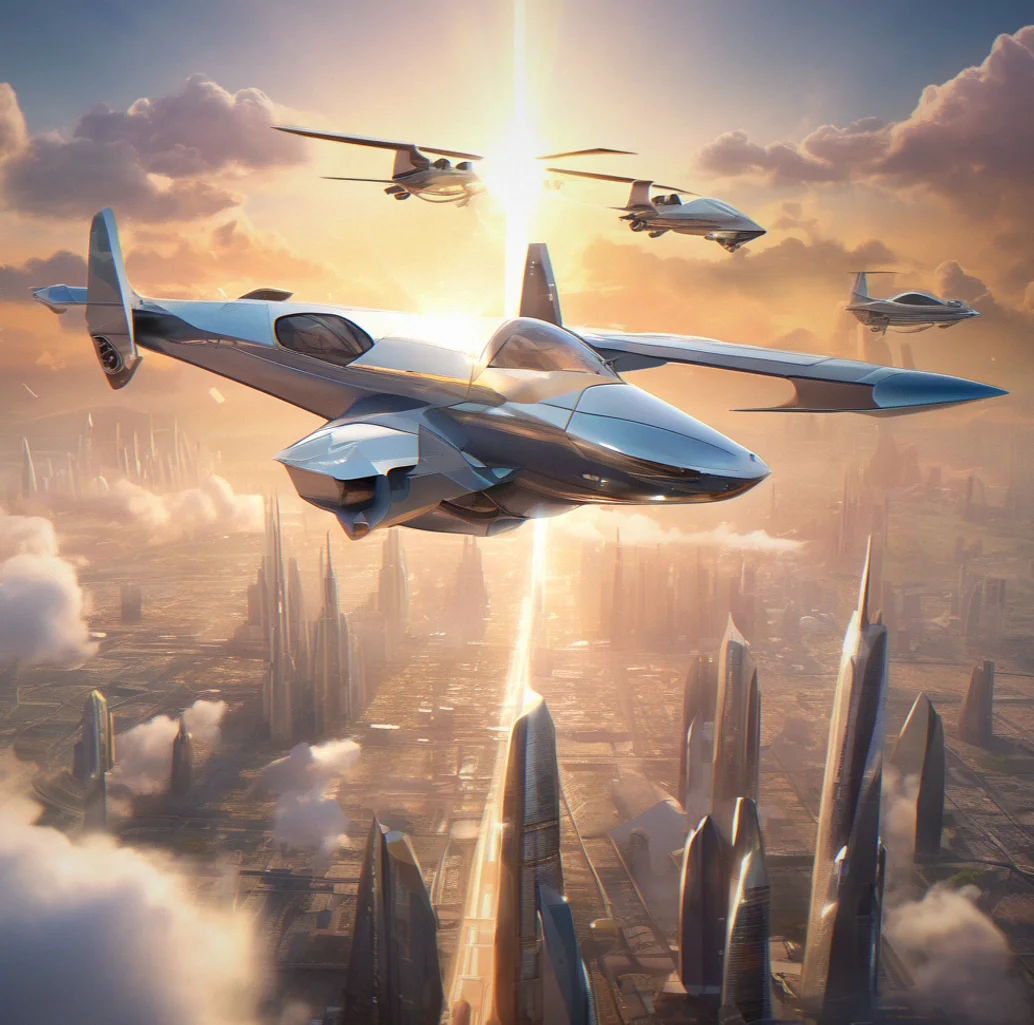
Small aircraft flying over a crystalline city with geometric towers reflecting light

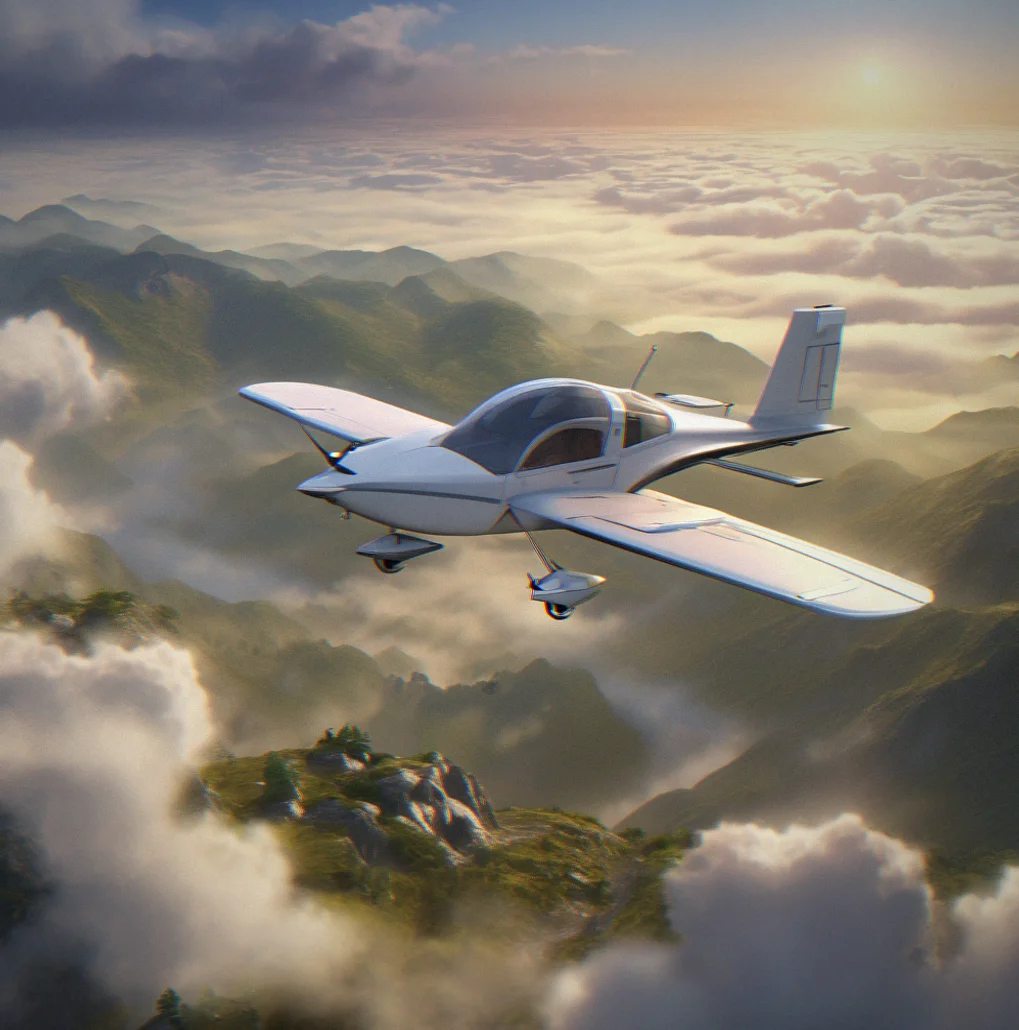
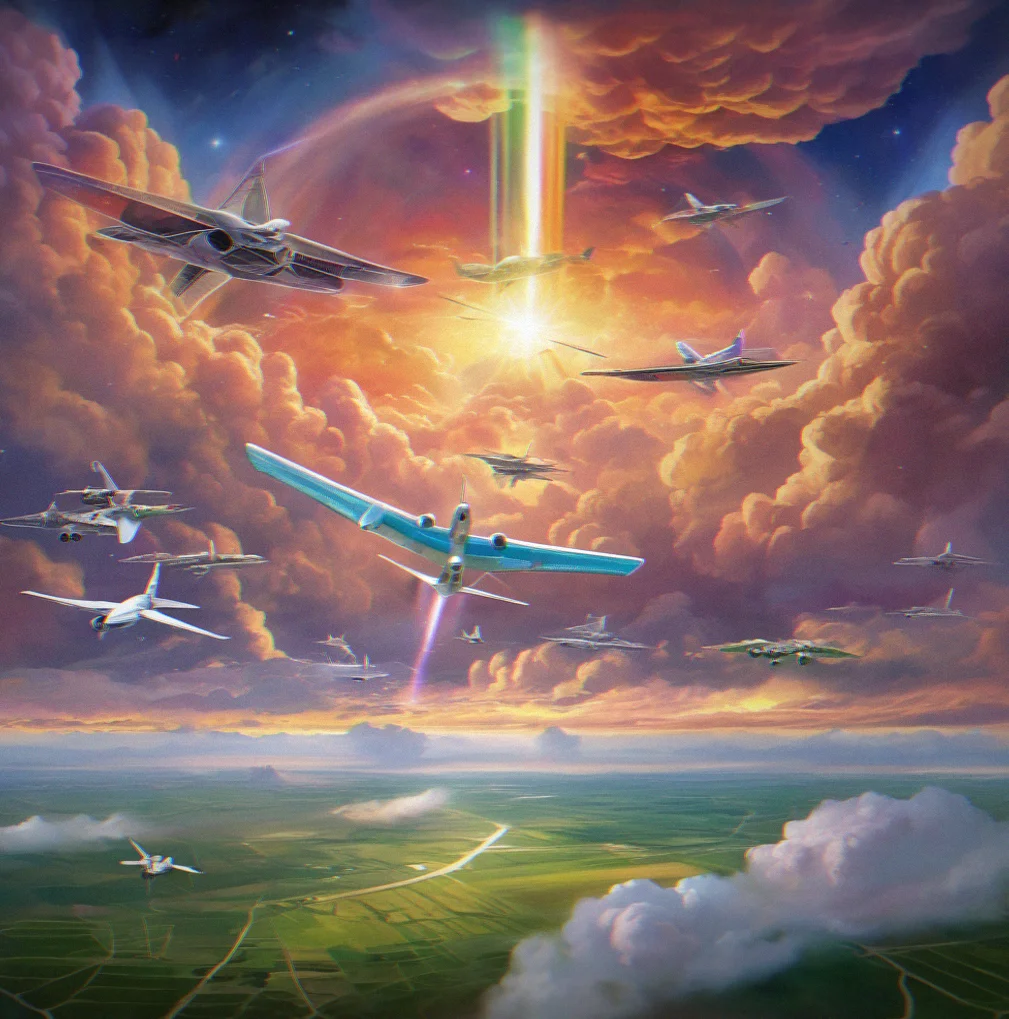
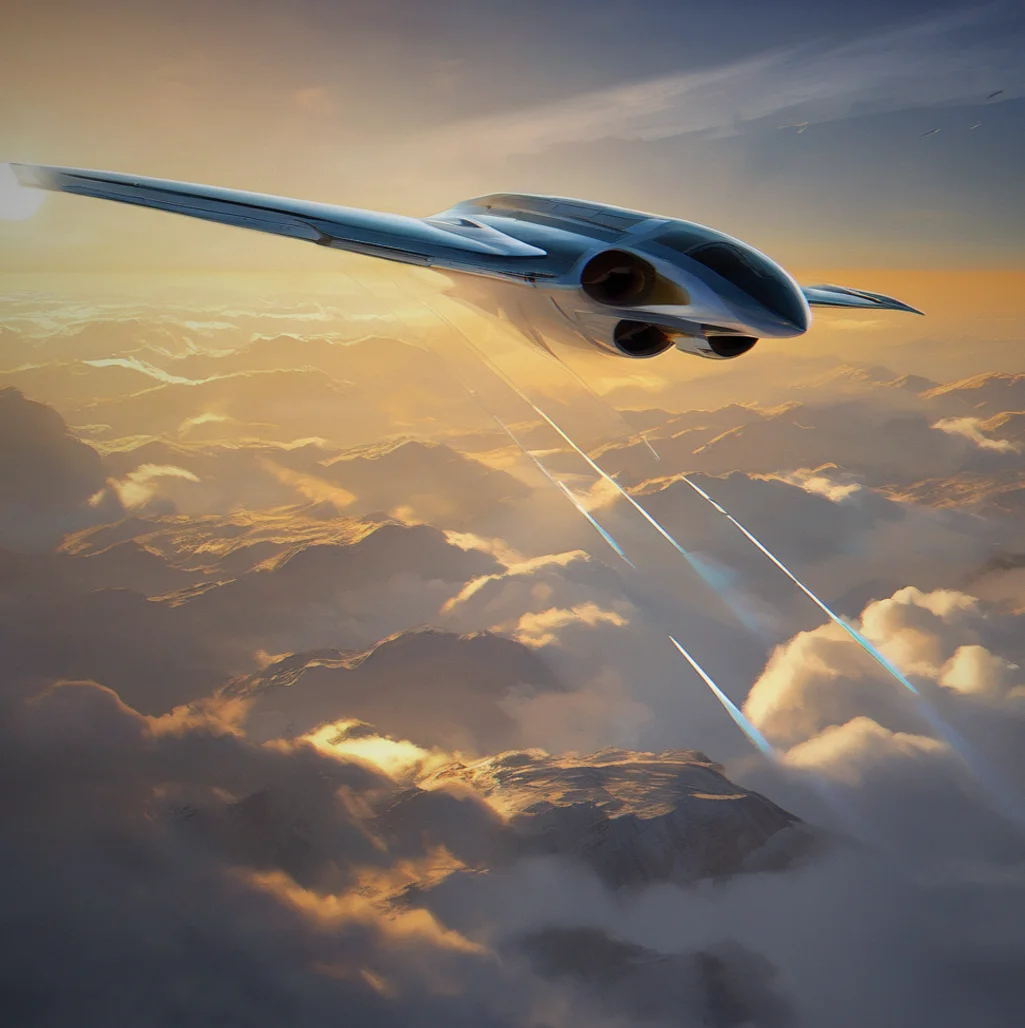
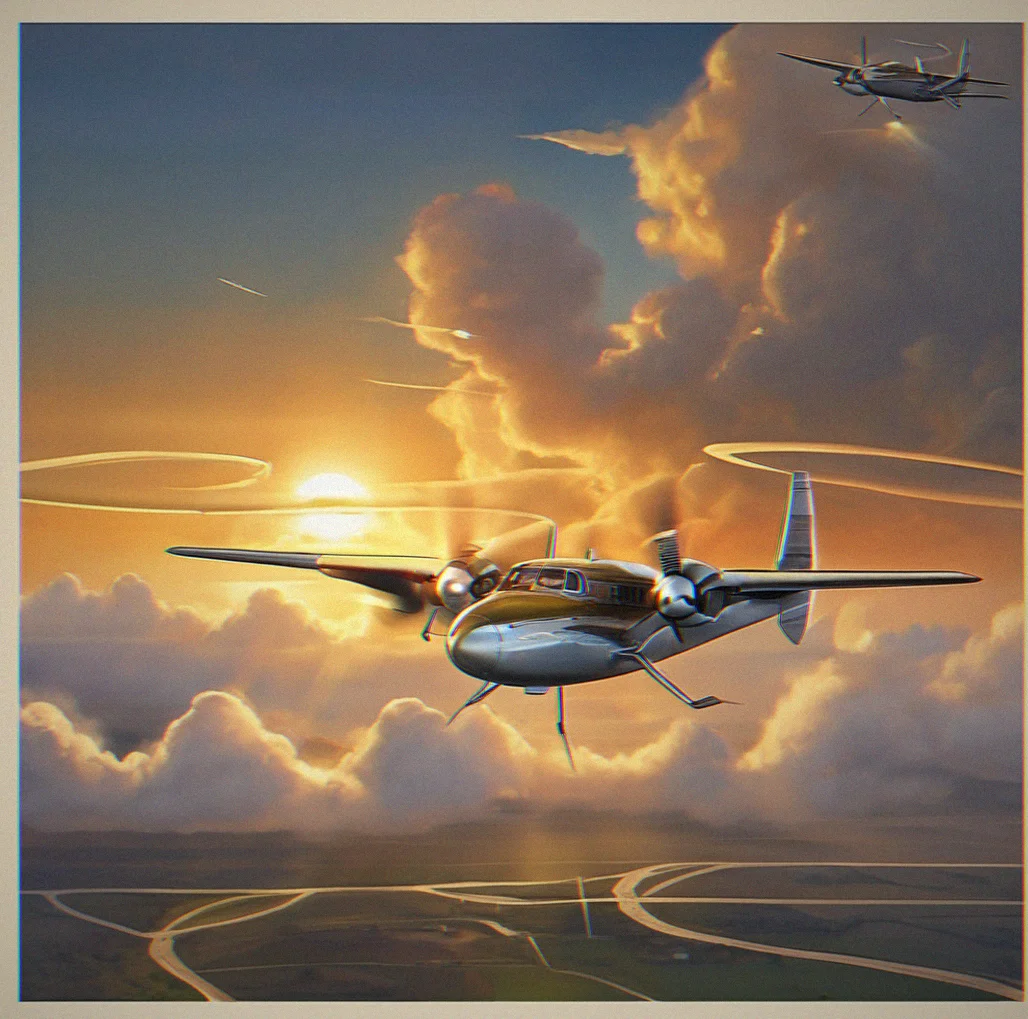
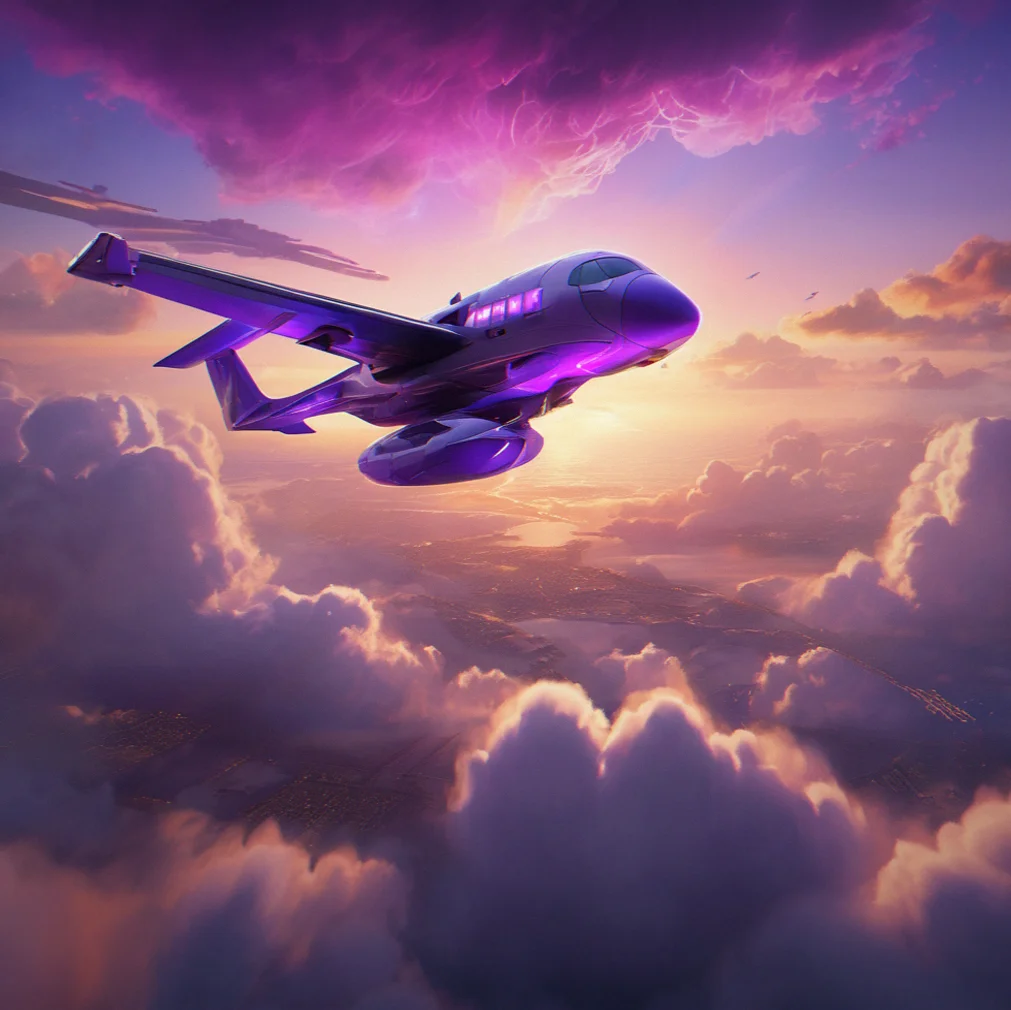
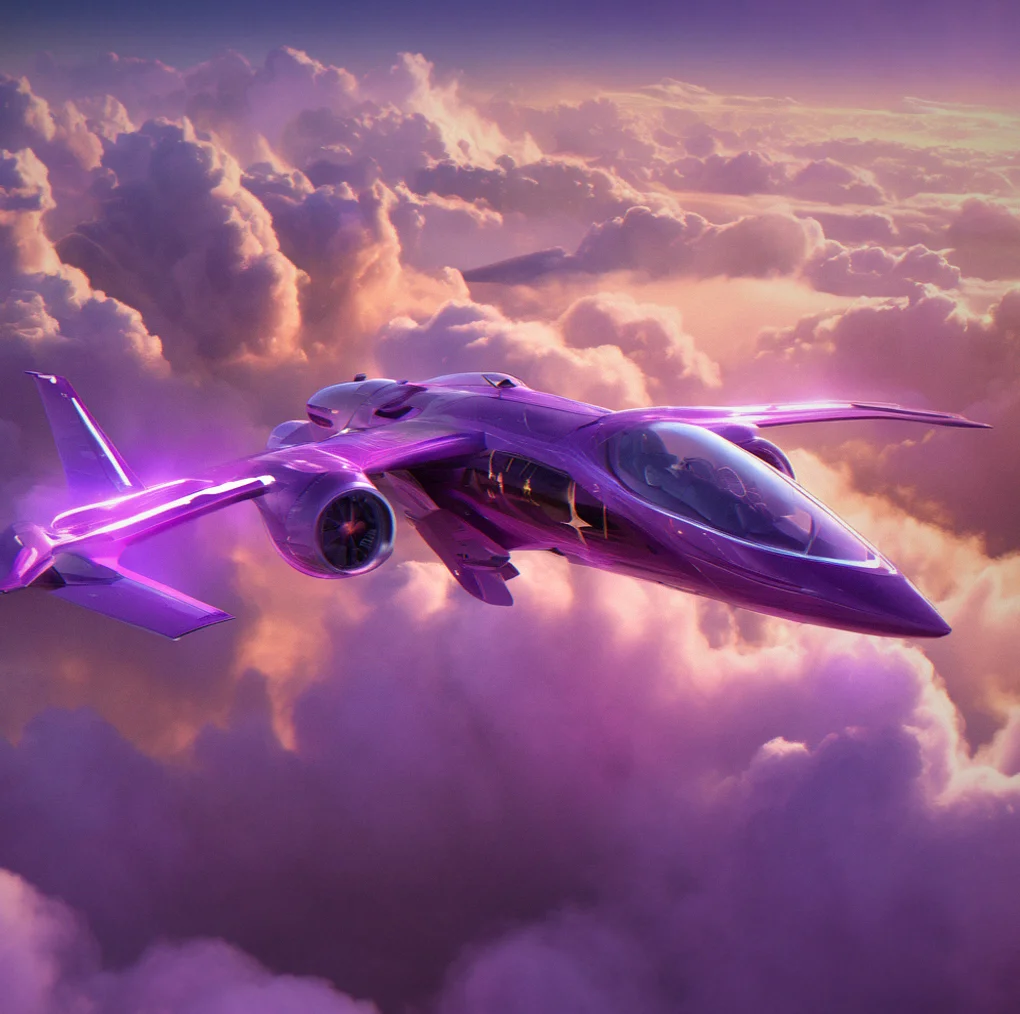
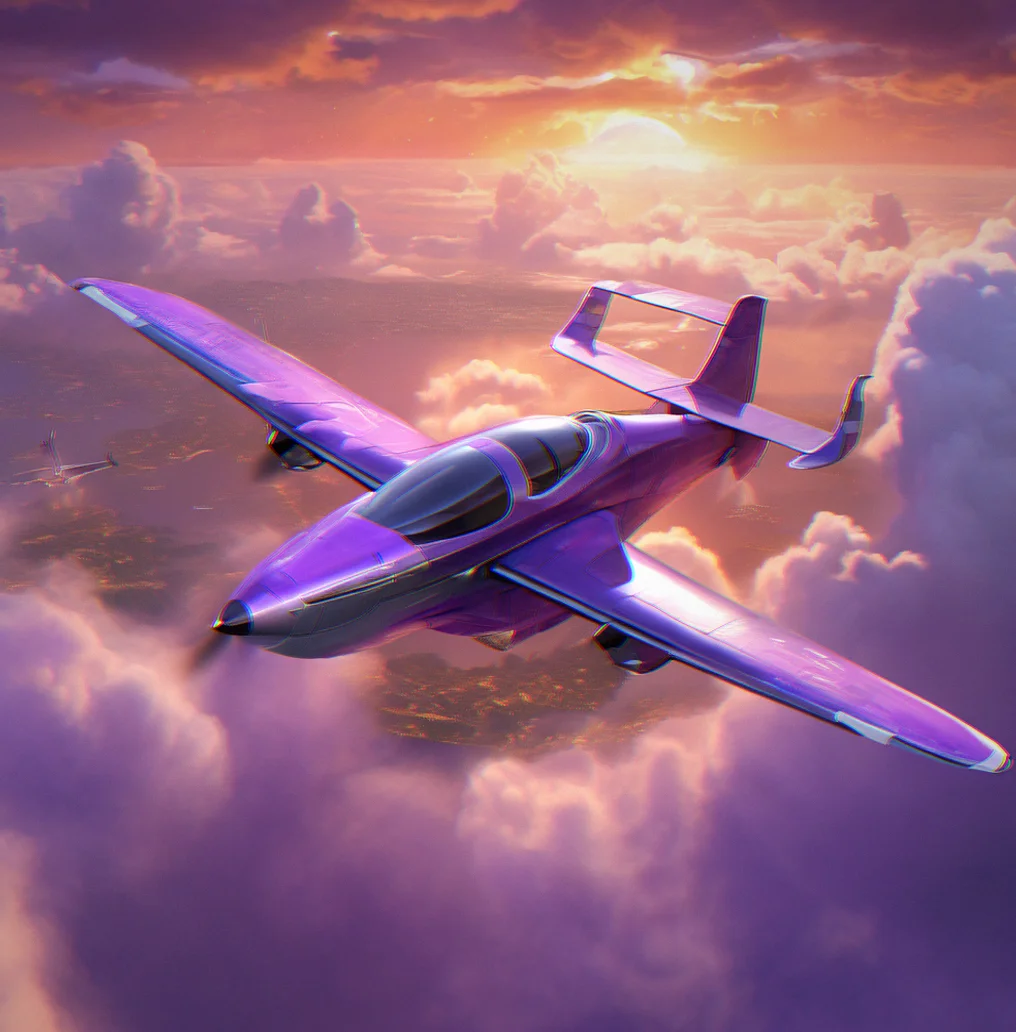
Velvet Pilot is a narrative flight game for people who got into Journey, Abzu, and Outer Wilds. You're flying a physics-based plane through crystal cities, aurora fields and storm zones. Upgrade the engines, wings, and how much cargo you can carry as you work through delivery routes. There's no combat, no timers. Just flying that feels good, biomes that look great, and the quiet reward of nailing a difficult approach.

Physics-Based Flight

Your plane actually flies. Wings generate lift, momentum carries you forward and sharp turns cost you altitude. Fly badly and you'll feel it—stalls happen, but you can recover from them if you stay calm. The flight model really rewards smooth, deliberate control.

Procedurally-Generated Routes

Every delivery run feels different. New waypoints appear across crystalline cities, storm zones, and aurora fields. Each biome has its own rules—certain corridors get brutal headwinds, altitude layers that don't cooperate, weather cells you can't punch through—and these shape how you actually fly.

Plane Upgrades That Matter

Fly enough routes and you unlock engine improvements, reinforced wings, and the ability to carry more cargo. Your starting aircraft is reluctant and sluggish. After a few dozen hours, it responds to your input like an extension of your hands. The upgrades stack too—put a high-output engine on a plane with bigger wings and it handles like a completely different machine.

Distinct Visual Biomes

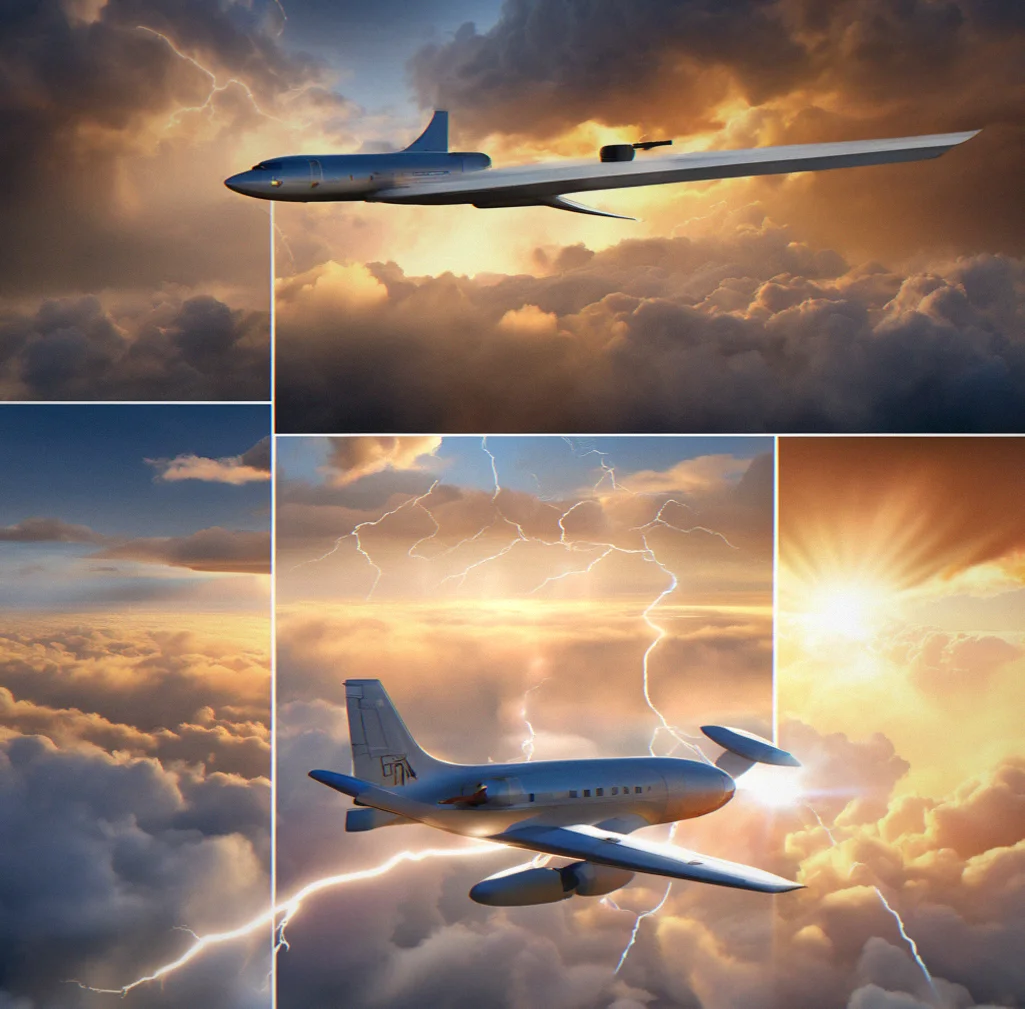
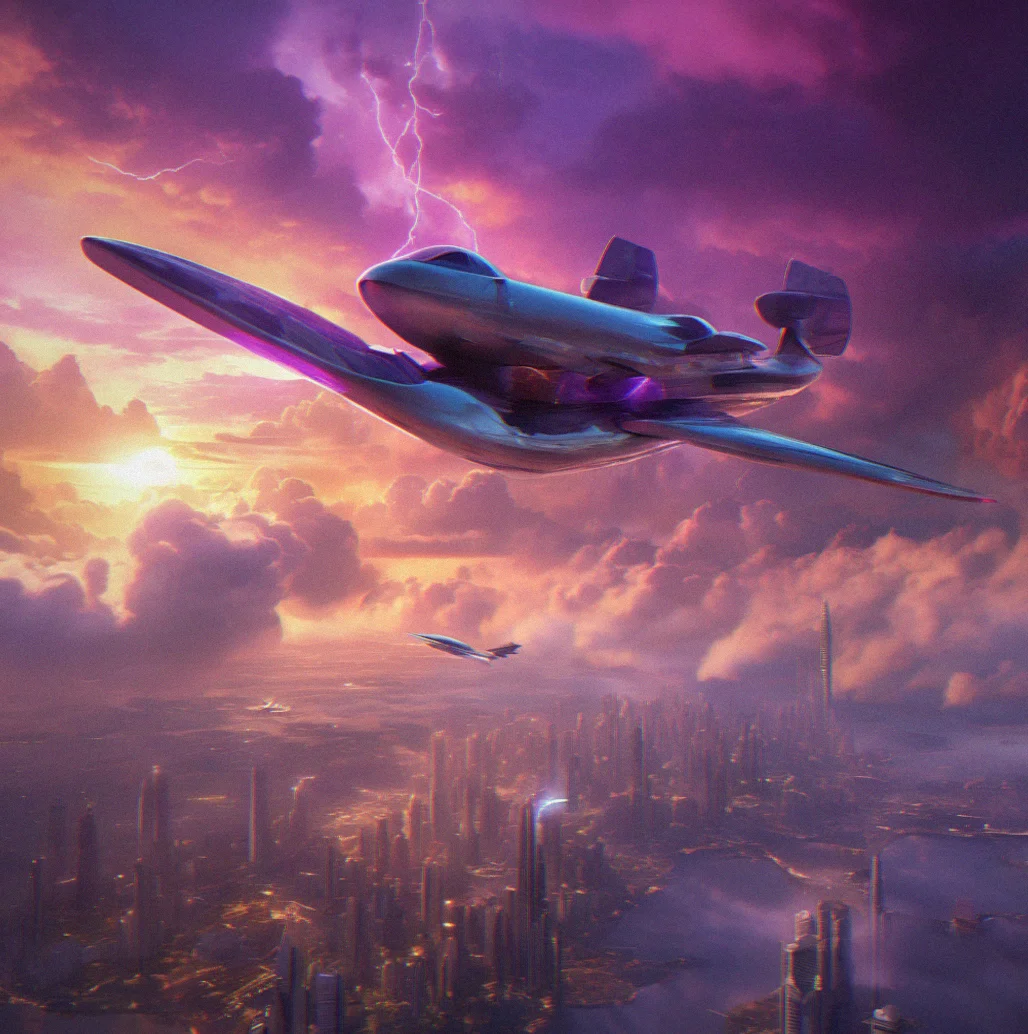
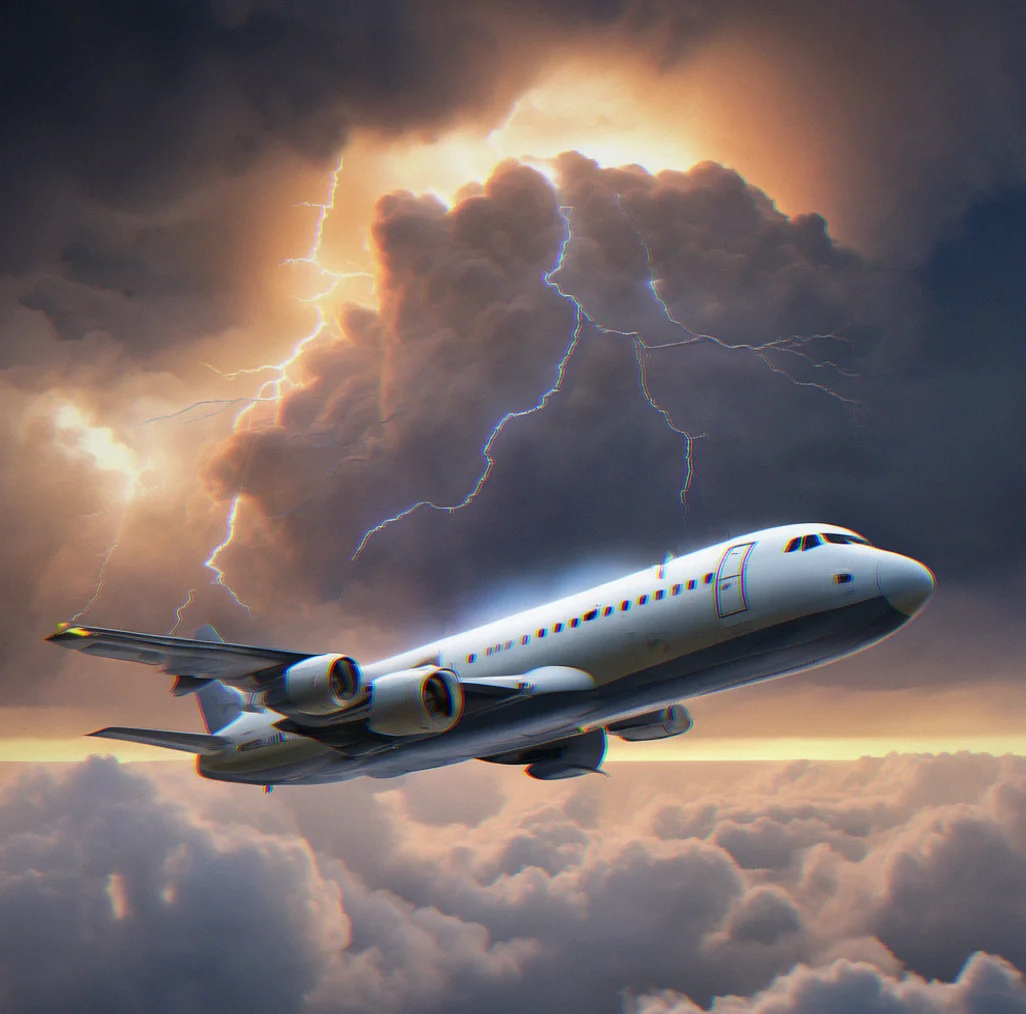
Storm zones pulse with texture and lightning you can see from miles away. Crystalline cities refract light into geometries that shouldn't work but do. Aurora fields layer particles in ways that shift based on where you are relative to them. Every region has its own visual feel and atmosphere.

Meditative Pacing

There's no combat and no timer breathing down your neck. You fly at whatever speed feels right, land whenever you want, poke around the space between biomes. The game doesn't push you toward optimization—take the long way, take the slow way, take whatever route calls to you.

Consequence Without Punishment

Miss a deadline and that contract goes away. Clip a wing on a mountain and you'll pay to fix it. Run out of fuel and you're gliding down to whatever landing you can find. There are stakes, but they're real and manageable—not a harsh reset.

60fps on Modern Hardware

Velvet Pilot doesn't compromise on visuals or atmosphere. The geometric precision in crystal cities, the layered rendering in storms, and how the particles respond to your movement all run smooth without needing top-tier specs. It looks polished without being demanding.

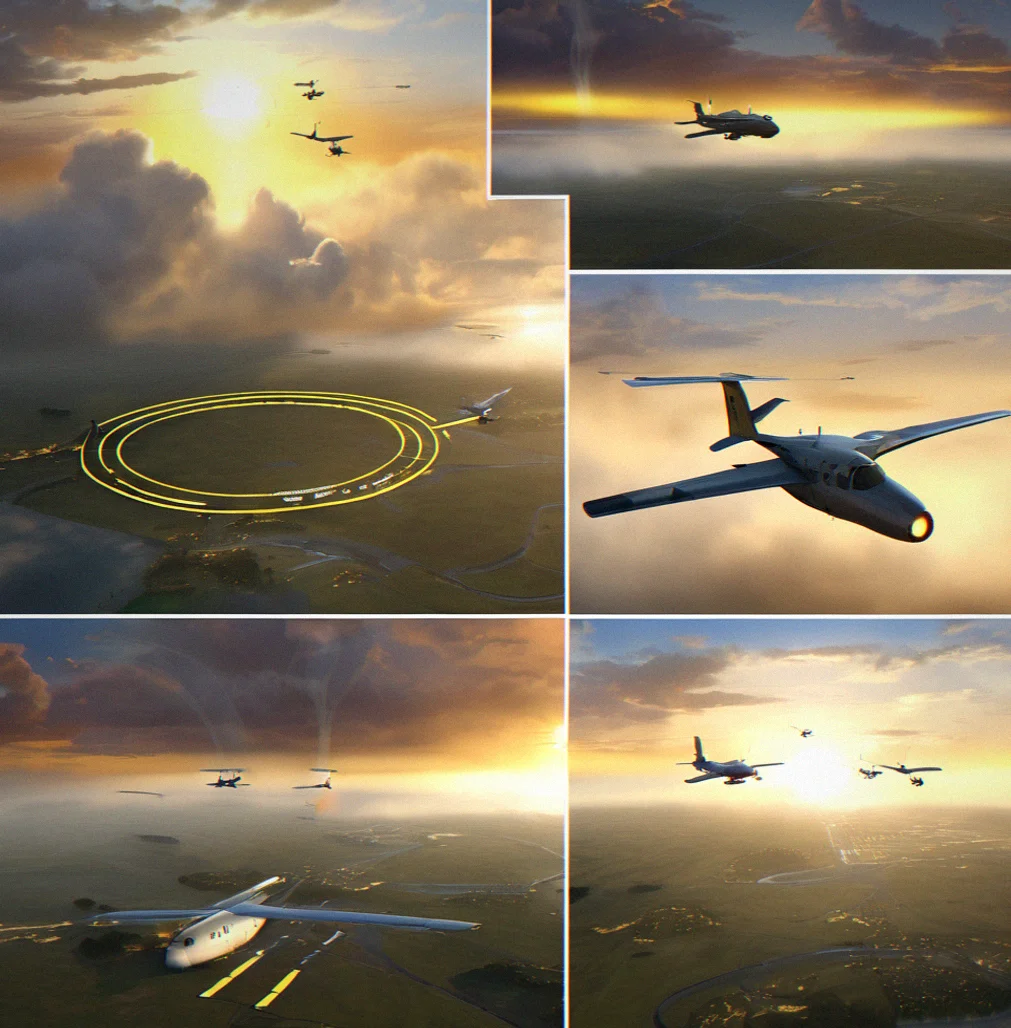
Overhead view of a small aircraft positioned over a delivery waypoint in a crystalline valley
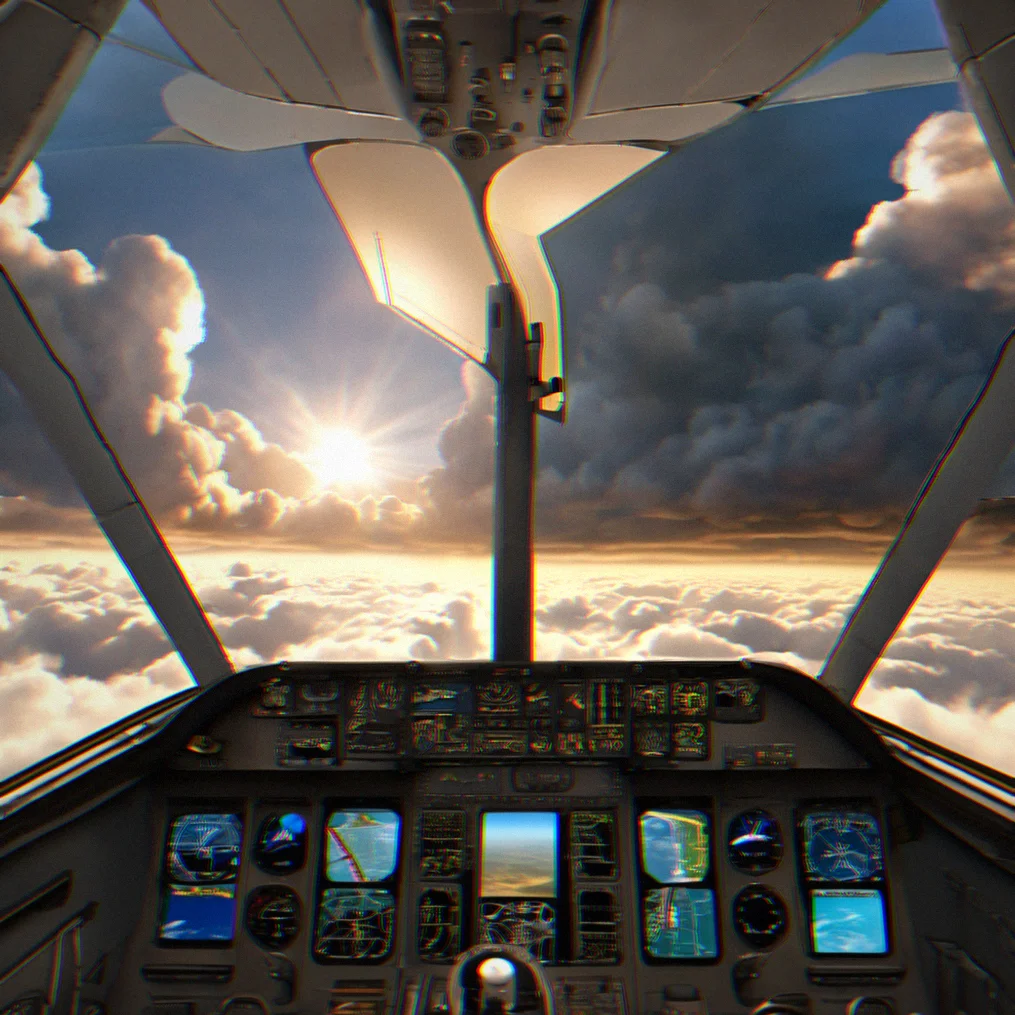
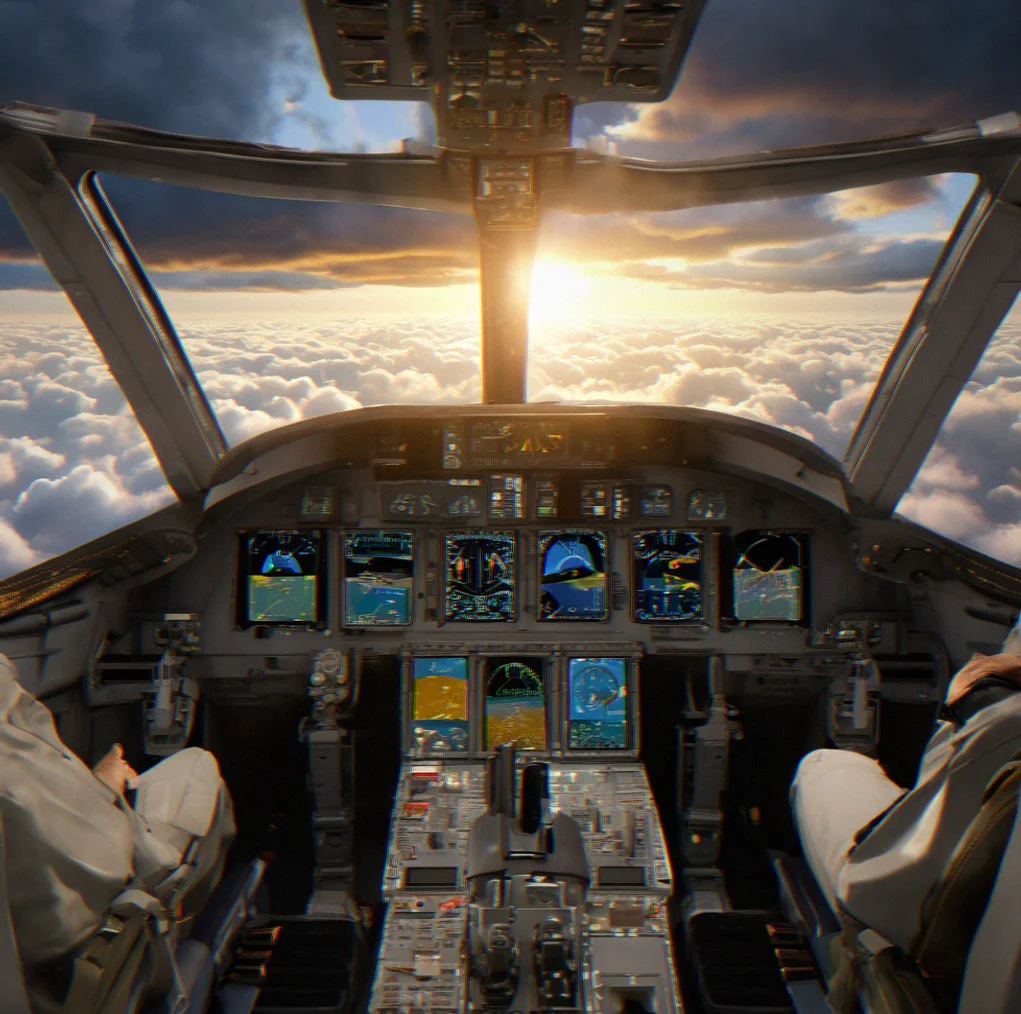
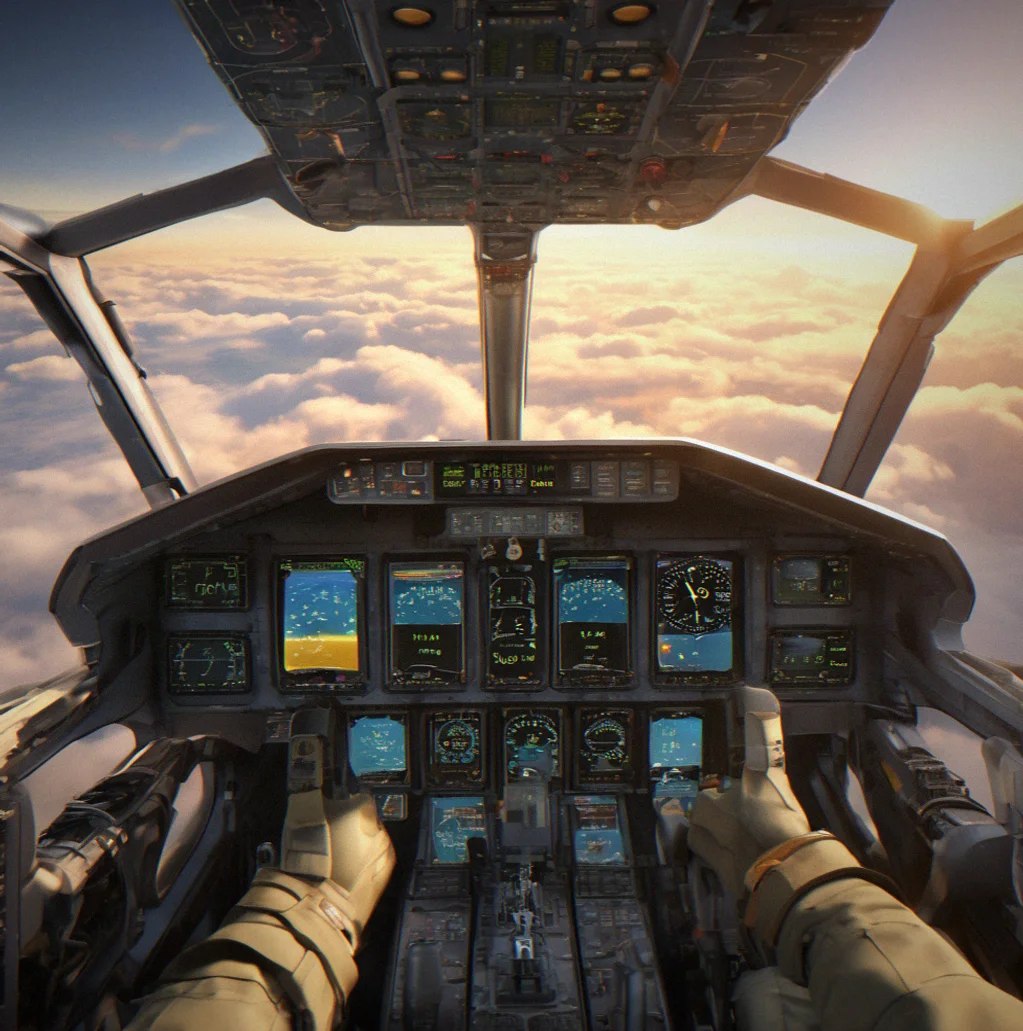
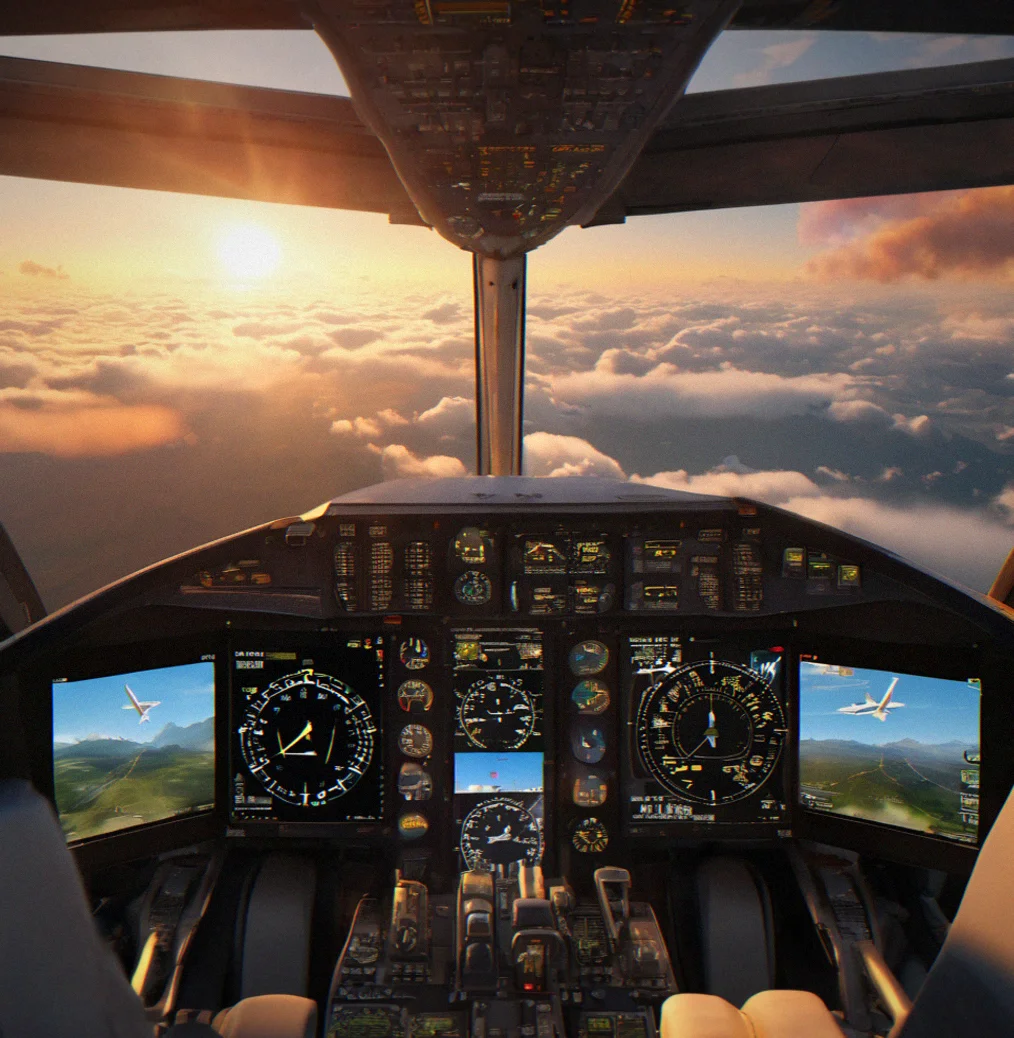
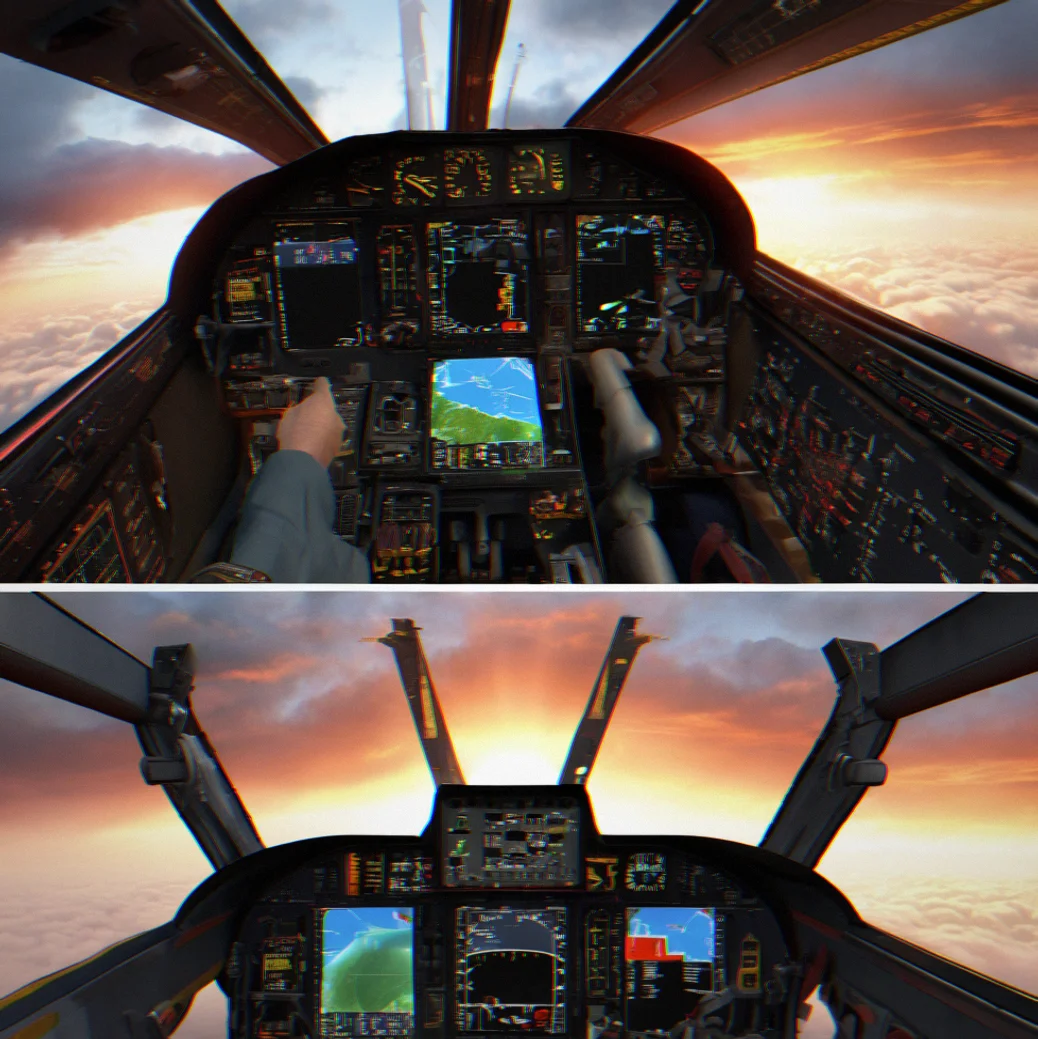
Interior cockpit perspective with storm clouds visible through the windscreen ahead
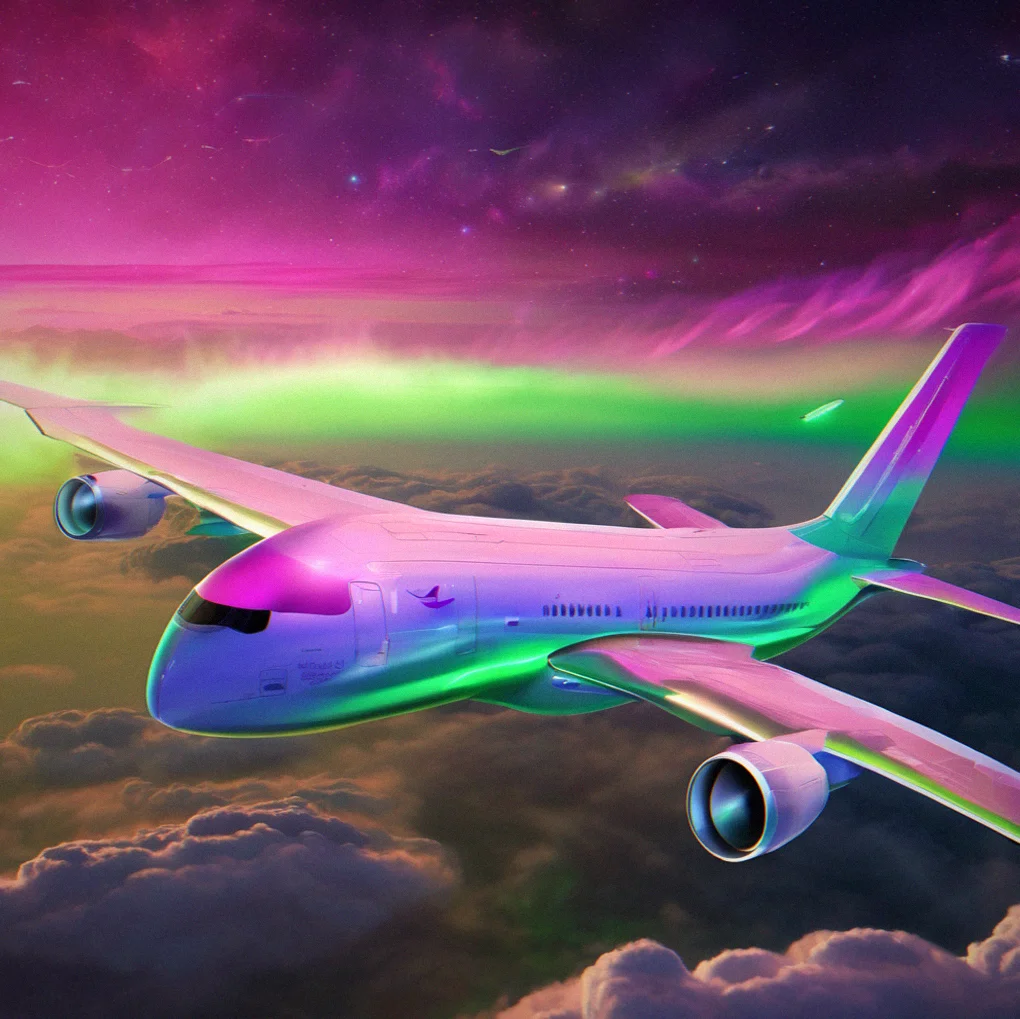
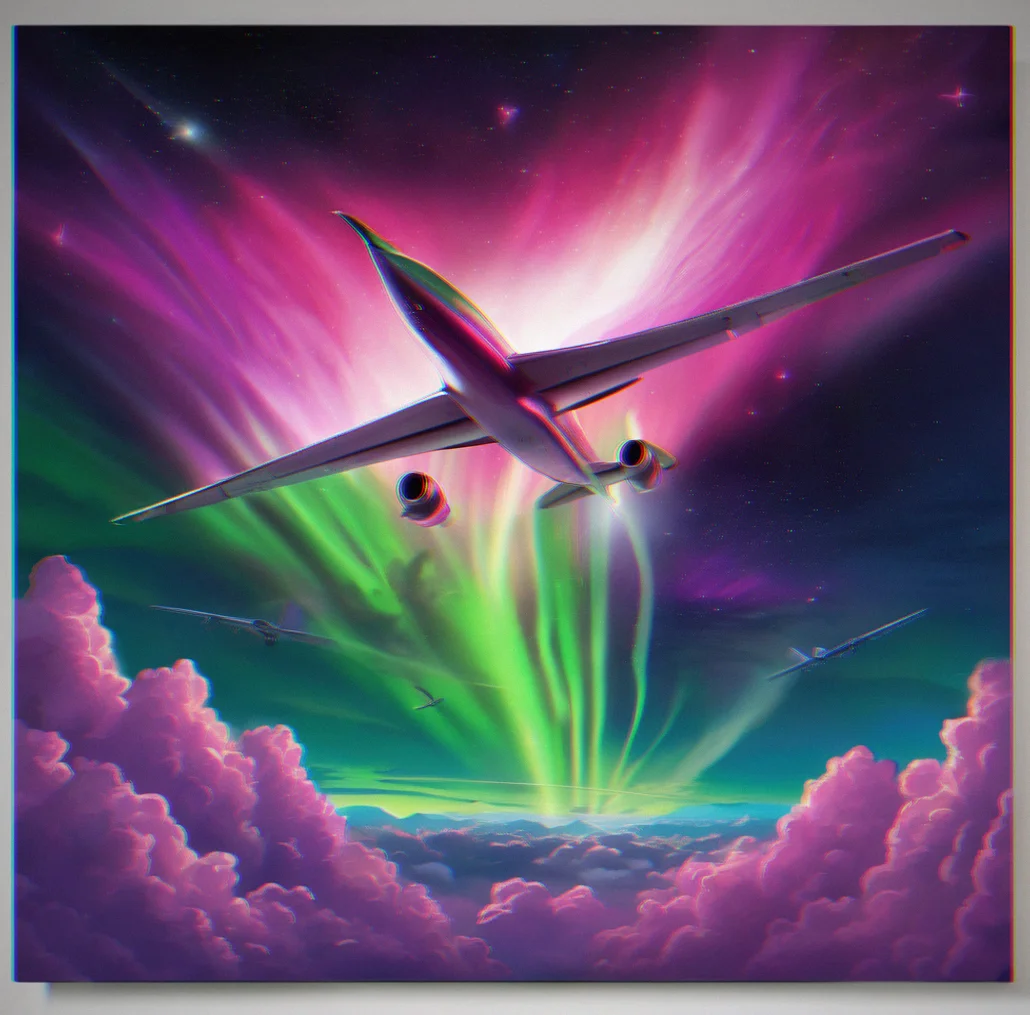
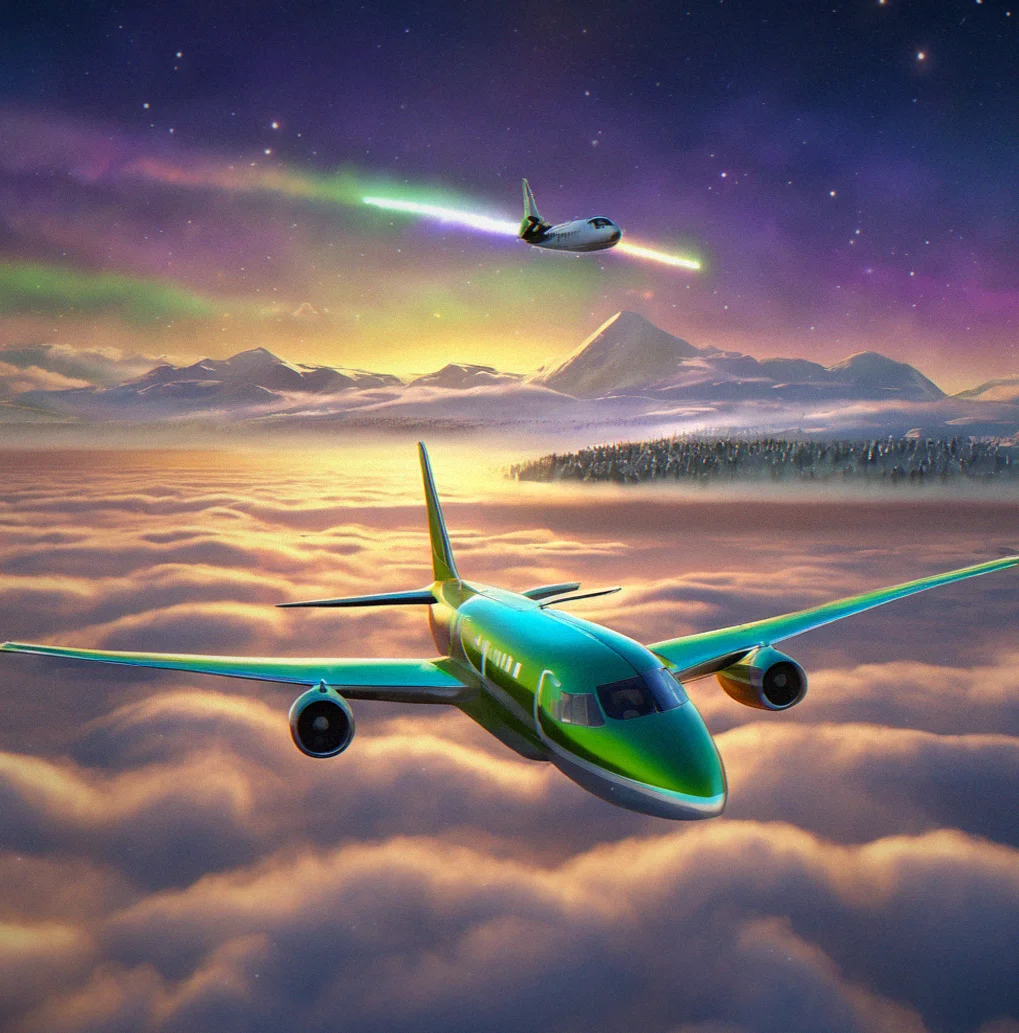
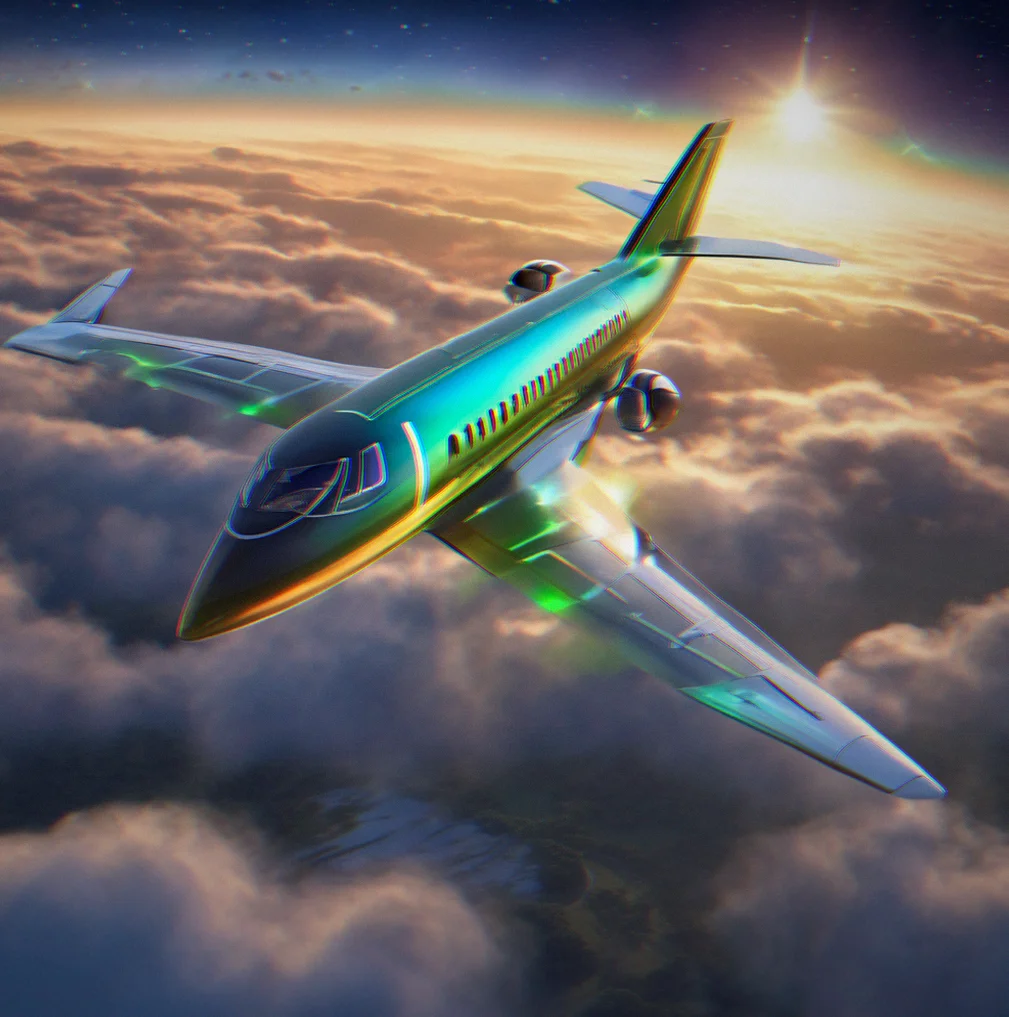
Aurora field biome at night with layered green and magenta particles reflecting off aircraft wing

How It Works

Load, Fly, Land, Repeat

You grab cargo, punch in a route, and get airborne. From there it's about hitting your waypoints, keeping an eye on fuel, tweaking pitch and roll, and setting down without crashing. Unload, pocket the payment, start again. The loop never gets old because the world is different every time—wind shifts, storms pop up in new places, the terrain below keeps surprising you. Once you've got a few hours in, it becomes almost meditative. Your hands just know what to do. What you're really paying attention to then is the world itself. The light bouncing off those crystal formations. The way air moves across your wings.

The flight physics actually matter. Fly sloppy and you'll feel it. Pull back too hard and you stall. Push into a dive and you can overspeed. Run low on fuel and you're gliding on fumes. There's no artificial punishment layer—just how planes actually behave. Once that clicks for you, flying stops being a task and starts being something that flows. Talk to people who've played around 10 to 12 hours and they all say the same thing: at some point precision stops being conscious and just becomes what your hands do.

7
Distinct biomes with unique visual language and weather systems
60
Target framerate for smooth, responsive flight on modern hardware
15
Hours typical before plane upgrades fundamentally change handling
4
Engine, wings, and cargo tiers plus cosmetic plane variants

Procedural World

You won't fly the same route twice. The biomes shift each time you load in. Familiar regions, but the actual approach and landing never feels identical.

Upgrade Progression

Your plane starts sluggish. Better engines, stronger wings, bigger cargo holds—they unlock gradually. As your plane gets more responsive, it naturally keeps pace with how much better you've become.

No Fail States

Crash into a mountain and you pay for repairs. Blow past your delivery window and you lose the job. Run dry on fuel and you're gliding down. Things have teeth without feeling cruel.

Biome Atmosphere

Storm regions have real wind shear you can feel. Crystal cities create updrafts. Aurora fields mess with your instruments a little. Where you are actually changes how your plane flies.

Player Pacing

One route or ten. Hang around and sightsee or chase the next contract. The game doesn't push you anywhere. You choose when to go hard and when to just float.
4

Routes That Never Repeat

Each delivery generates differently because of procedural generation. Storm cells move around. Wind patterns shift. Crystal formations rearrange themselves. After a while you'll know what biome types look like but you won't know what the actual path will be. The map stays different because it's being built as you fly.

Flight Model That Responds

Your inputs actually matter here. Fly badly and the plane stalls. Fly well and you get smooth lines. Weight, momentum, aerodynamics—the plane has all of it and it doesn't let you get away with lazy inputs. It's not mean about it though. Just straightforward. Learn how it feels and precision becomes second nature.

Upgrade Your Plane

Faster engines. Larger wings.

Biomes With Character

Storm zones don't just look stormy. The wind shear actually pushes your aircraft around. Crystalline cities produce updrafts from the structures below. Aurora fields mess with your instruments through particle interference. Each region flies differently because the atmosphere is genuinely different. You're not just looking at scenery—you're flying through atcual weather and physical space that behaves like the real thing.

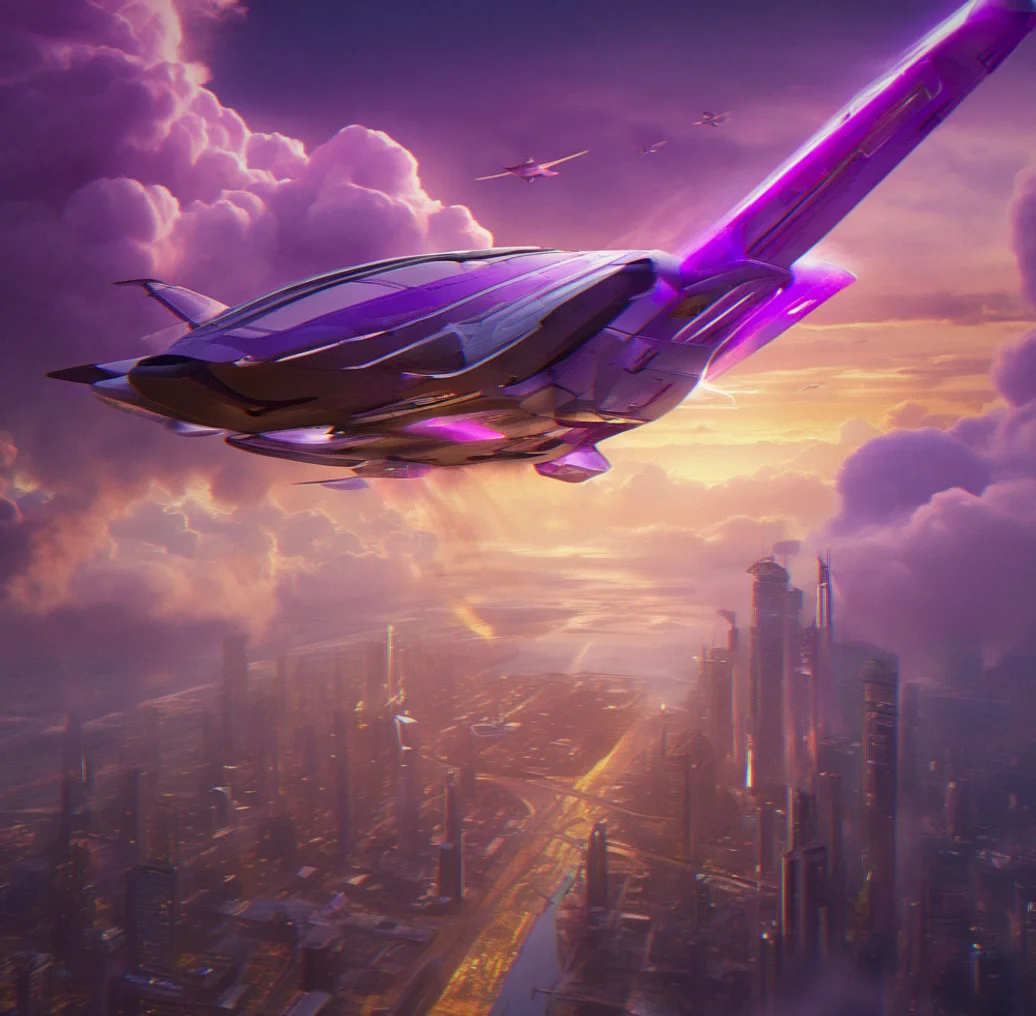
A small plane tilts to the left as it passes over a sprawling city of crystal towers catching golden light
Looking out from the cockpit at the instrument panel with storm clouds rolling in on the horizon
An aurora shimmering in green and magenta across the night sky while the plane flies straight through it
View from above showing the aircraft lined up over a delivery markdr in a valley between two mountains
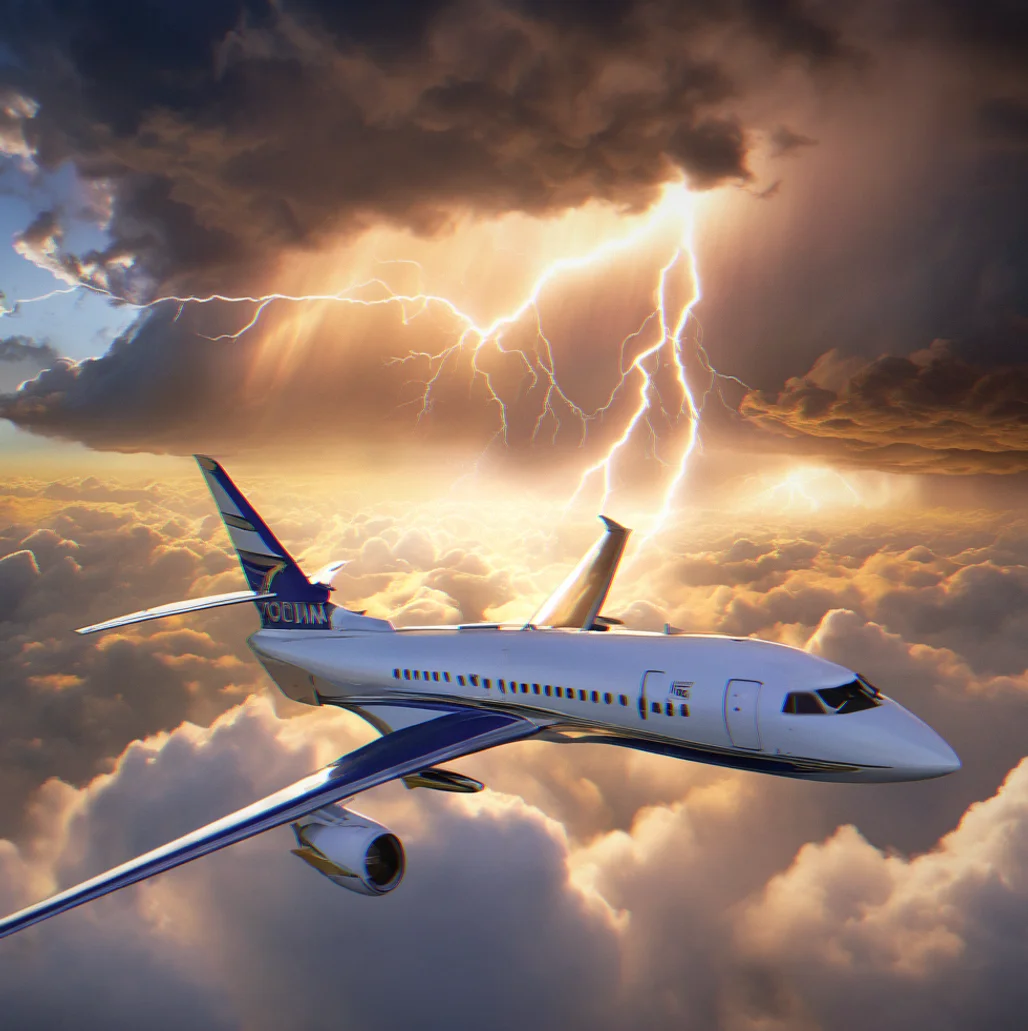
Lightning cutting through dense storm clouds while the plane climbs toward clearer skies
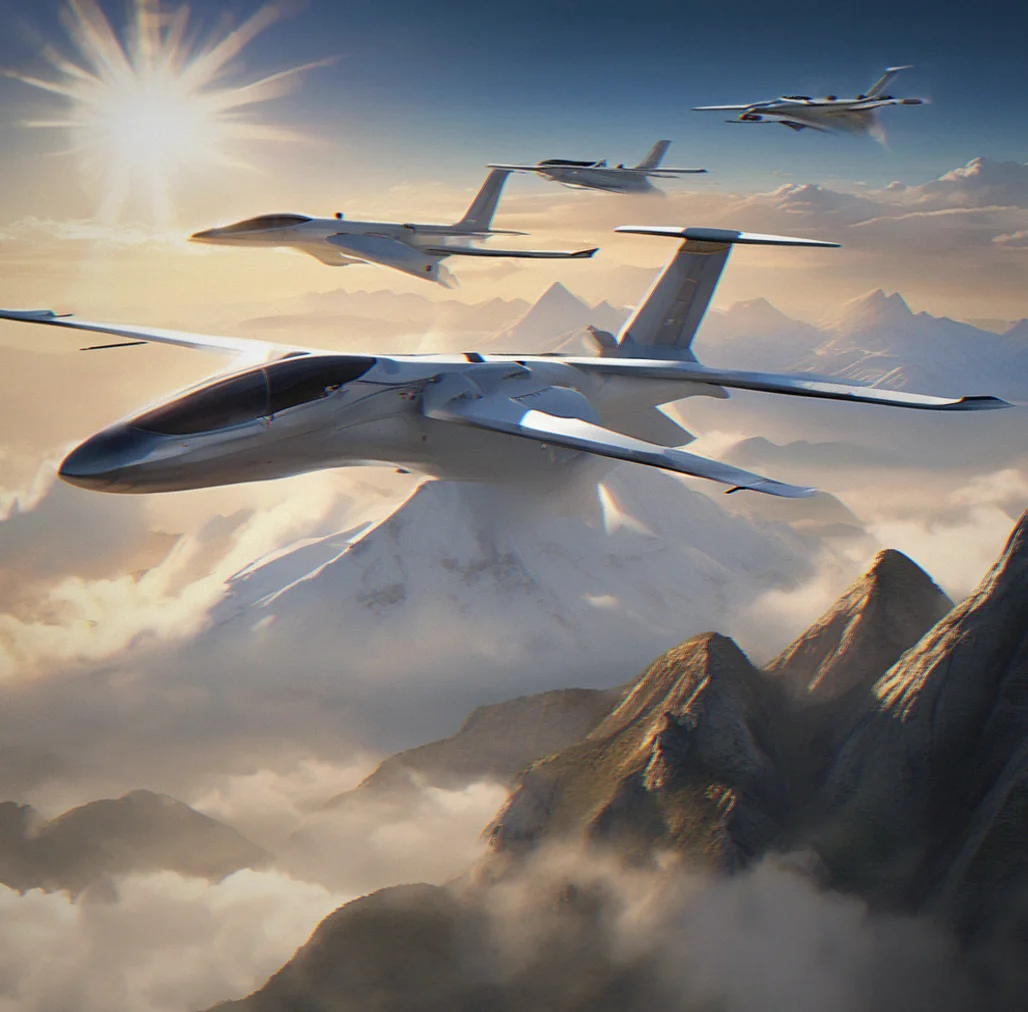
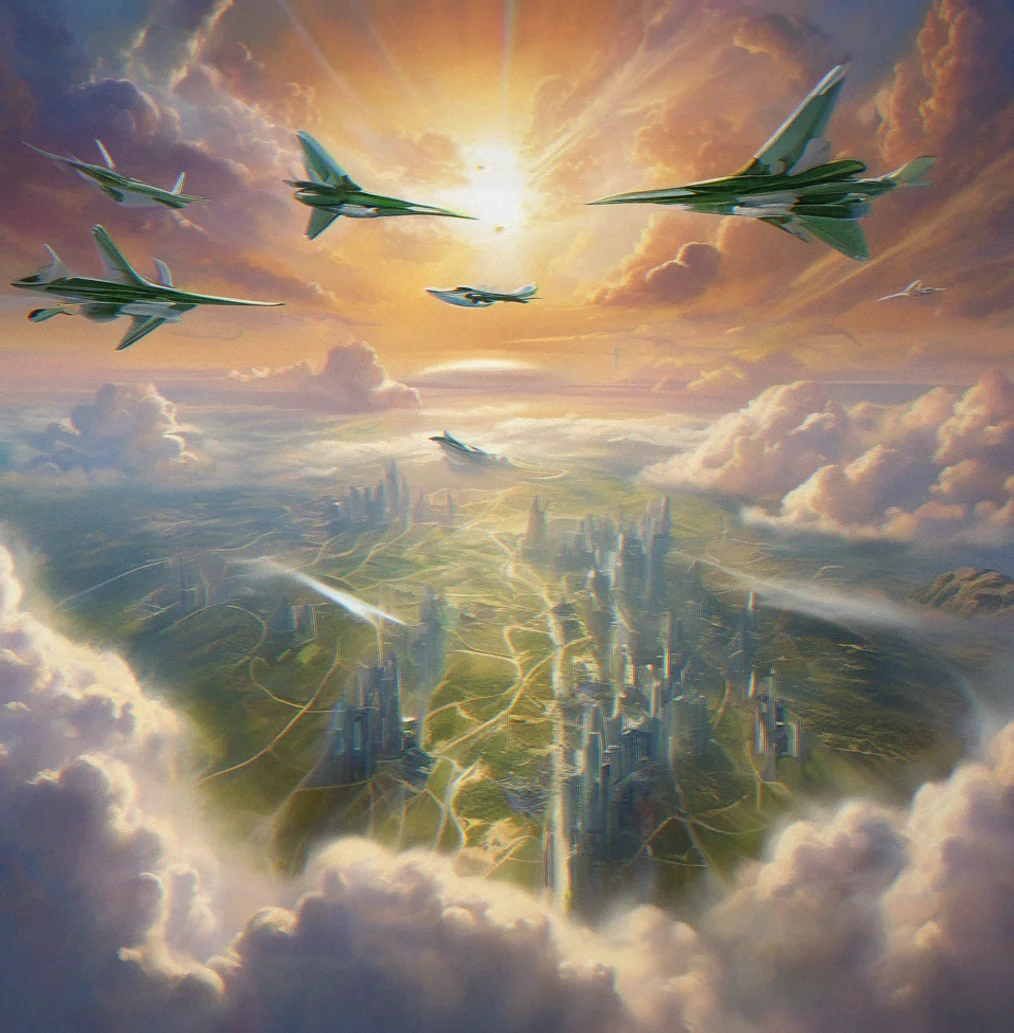
Sweeping view across multiple landscapes at once — crystal structures bleeding into aurora fields with storms brewing in the distance
Wing of the aircraft catching light from the crystalline city below, its shadow sharp against the geometric shapes
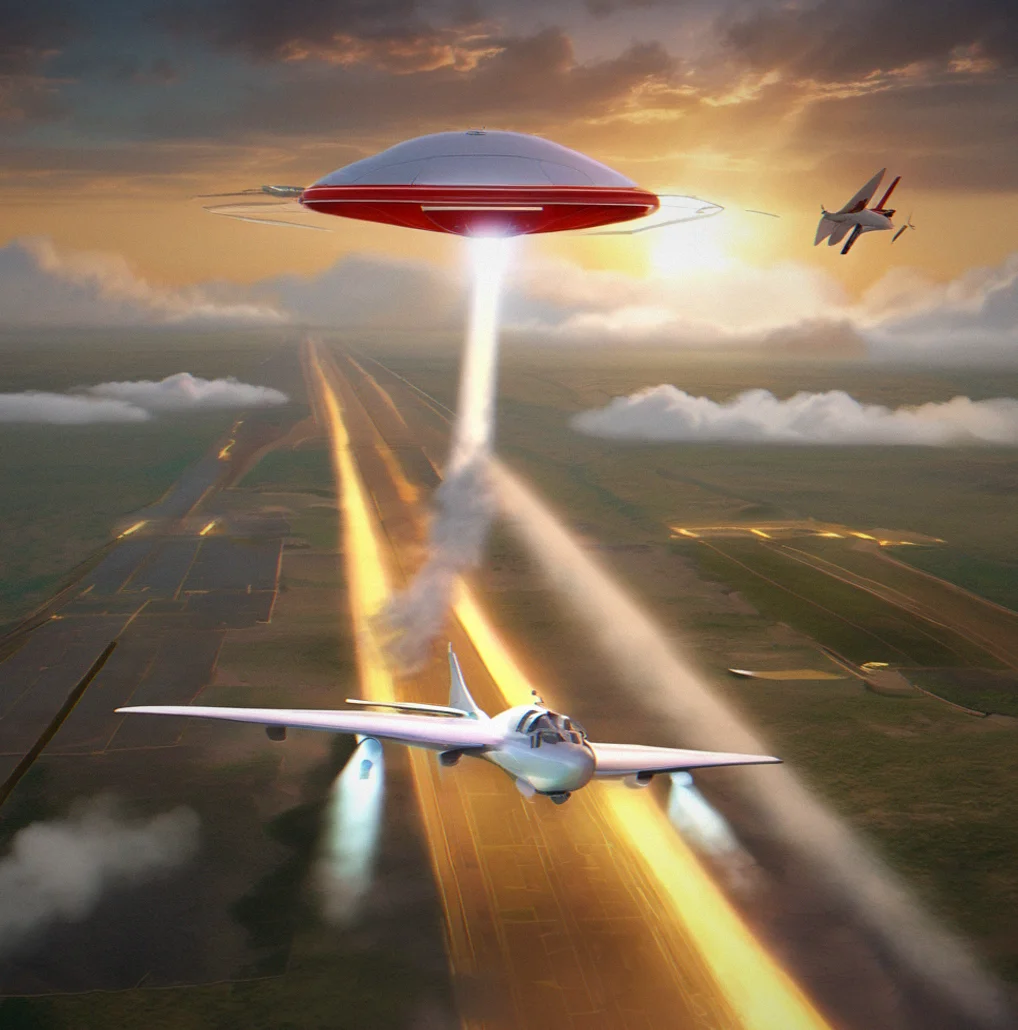
Coming in to land with runway lights visible and the plane aligned for a clean touchdown on a remote strip
Flying over aurora fields at night, the particles reflecting off the fuselage and wings
Descending toward a crystal city, its intricate architecture visible from altitude with the aircraft's shadow cast across the translucent structures

A small plane tilts to the left as it passes over a sprawling city of crystal towers catching golden light

Cockpit dashboard showing airspeed indicator, altitude gauge and heading indicator during level flight over crystalline landscape
Flight Mechanics

The Physics Under Your Hands

Velvet Pilot runs on a real physics-based flight model that doesn't pretend your aircraft is something it isn't. Your wings actually generate lift depending on how fast you're going and what angle you're hitting the air at. Pull back too aggressively and you'll stall. Push into a dive that's too steep and the airspeed will climb dangerously. Bank without adjusting your pitch and you'll lose altitude. It gets technical fast, but here's what matters when you're actually flying: your inputs do something. Every tiny correction you make changes how the plane behaves. There's no safety net. No invisible hand helping you out or automatically leveling the wings when you're distracted.
That said, it doesn't throw you into the deep end right away. Your first landing will probably bounce around a bit. By the time you've tried five or six, you'll notice they're getting cleaner. Around the ten-hour mark, most people find that smooth flying stops being this conscious thing they have to think about and just becomes what their hands do. You quit worrying about pitch and roll and yaw and start looking ahead to the route, checking your fuel, watching whether that cloud formation is drifting or staying put. Your hands understand the plane now. Your eyes understand the sky.

12

Hours until muscle memory clicks and you're flging without thinking about it

3

Core control inputs—pitch, roll and throttle—that shape how you fly

45

Knots or so for a typical cruise speed on the delivery runs you'll be doing

What You'll Actually Experience

Wide landscape view showing transition between three biomes—storm zone on left, crystalline city center, aurora field on right

7 Distinct Biomes

Wind and lightning tear through storm zones in ways you can see from miles away. The crystalline cities bend light into shapes that shouldn't exist. Aurora fields fill the air with particles that shift based on where you are and how high you're flying. Each one has its own weather, its own air currents, its own look.

Navigation display showing three delivery waypoints plotted across procedurally-generated route with altitude bands and wind indicators

Procedural Route Generation

Every delivery feels different. Wind shifts around. Storms move to new places. The waypoints change. Terrain regenerates under you. After you've logged some serious hours you start to recognize the biome types, but the actual path you take is never the same twice. The world builds itself as you fly througgh it.

First-person cockpit view showing airspeed indicator, altimeter and heading indicator during coordinated bank over mountain valley

Physics-Based Aircraft Handling

Your plane actually behaves like an airplane. Yank back on the stick too hard and you stall out. Dive too steep and the airspeed gets dangerous. Banking eats altitude unless you pitcch up to compensate. Sloppy flying has real consequences. Smooth flying rewards you with lines that feel clean and that quiet satisfaction of controlling something with precision.

Schematic view of aircraft upgrade tiers showing engine variants, wing configurations and cargo capacity options

Progressive Plane Upgrades

You start out flying something sluggish with tiny wings. As you progress you unlock better engines, stronger wing surfaces, bigger cargo holds. That initial aircraft feels like it doesn't want to cooperate. By the time you've sunk 15 hours into upgrades it moves like part of your body. And the upgrades stack—more thrust plus larger wings changes how the whole plane behaves compared to what you started with.

Landing sequence showing aircraft descending toward remote airstrip with fuel indicator in yellow warning zone

No Fail States

Crash into a mountain? You pay for repairs. Miss a deadline? You lose that contract. Run dry on fuel and have to glide down to some random landing spot? That happens too. But nothing ends your game. Consequences matter without being cruel. The game respects your time and doesn't demand you play perfectly, which is exactly why it stays calm even when things go wrong.

Peaceful nighttime flight through aurora fields with stars visible above and layered Particle effects below wing

Meditative Pacing

Fly a single route or string together ten in a row. Push yourself to optimize or just wander and see what happens. The game's not in a hurry and neither are you. There's no competitive leaderboard, no time trials, no pressure to perfect your builds. You control the speed. Most people find themselves in that flow state arouund hour 5 or so, when flying stops being something you think about and the sky becomes everything.

Crystalline city architecture rendered with geometric precision, light refracting through translucent tower structures

60fps on Standard Hardware

The crystal cities have geometric detail. Storms layer their Rendering in ways that look complex. Particles in the aurora fields react to everything. It looks cinematic without needing cutting-edge hardware. The frame rate stays smooth because the technical design prioritizes atmosphere over just throwing polygons at everything.

Storm zone with visible wind shear affecting aircraft trajectory, lightning visible in dense cloud layers ahead

Biomes That Behave

Storms aren't just visual—they create real wind shear that actually pushes your plane around. The crystal cities have updrafts rising from their geometry below. Aurora fields mess with your instruments a little. Every region plays its own way because the atmosphere is actually different. You're not flying past a backdrop. You're flying through places that exist.

6

Where You're Actually Flying

Meditative flight games can look a lot of different ways. These biomes are procedurally generated, each one has its own look, and the atmosphere actually behaves like atmosphere. Smooth flying pays off differently depending on where you are.

City of crystal tkwers seen from above, light bending through translucent surfaces and scattering gold across everything below

City of crystal tkwers seen from above, light bending through translucent surfaces and scattering gold across everything below

You can see lightning moving through dark cloud layers while the aircraft banks hard to avoid the worst of it

You can see lightning moving through dark cloud layers while the aircraft banks hard to avoid the worst of it

Aurora field at night with green and magenta light stacked in layers, stars above and the aircraft silhouette cutting through it

Aurora field at night with green and magenta light stacked in layers, stars above and the aircraft silhouette cutting through it

Where two biomes meet, crystal structures fade into aurora while storm cells pile up on the horizon

Where two biomes meet, crystal structures fade into aurora while storm cells pile up on the horizon

View from inside the cockpit during descent, instruments visible and the delivery marker waiting on the horizon

View from inside the cockpit during descent, instruments visible and the delivery marker waiting on the horizon

Wing in the foreground with different biome regions spread out below at various heights and distances

Wing in the foreground with different biome regions spread out below at various heights and distances

For People Who Played Journey

Navigation display showing three waypoints plotted across procedurally-generated terrain with altitude indicators and wind vectors

Routes Keep Changing

Twenty hours in and you're still seeing new stuff. Procedural generation shifts wind patterns, moves storm cells around, reshuffles waypoint sequences. You learn the biome types but never memorize the exact path.

Aircraft upgrade tree showing four engine tiers, three wing Configurations and corresponding cargo Capacity increases

Upgrades Stack

The stock engine feels weak. Jump to high-output and it responds like you want. Bigger wings lift easier but turn slower. Combine them both and you've basically got a different plane—one that actually handles right. A handful of upgrades in, flying becomes natural.

Cockpit view showing stall warning indicator actiive with airspeed in red zone during steep climb

Physics That Stick

What you do matters. Pull too hard and you stall out. Banking at speed eats altitude unless you adjust. The plane has weight. Bad flying breaks things. Good flying produces smooth lines.

Crystalline city landscapd showing translucent geometric structures with light refraction creating colored shadow patterns

Crystalline Cities

Geometric towers refract light into scattered colors. Updrafts rise from the structures. Flying through them takes smooth inputs and tight banking without losing height. The visuals are dense but it holds 60fps.

Storm cell with visible lightning bolts inside dense cloud layers, aircraft positioned to the side avoiding heaviest precipitation

Storm Zones

Wind shear pushes sideways. Lightning visible from far off. Rain gradually reduces what you can see. You climb over or slip underneath depending on your altitude ceiling. Storms need attention but not panic.

Aurora field at night with layered green and magenta particles surrounding aircraft, stars visible in background

Aurora Fields

Layered particles create depth. Colors change with time and altitude. Instrument drift happens quietly—your heading indicator wanders a bit. Flying through aurora means more cross-checks. It looks incredible and demands something from you.

Aircraft gliding toward emergency landing on remote airstrip with fuel indicator in critical red zone

No Combat

Miss a deadline and you lose the job. Crash and repairs cost money. Run dry and you glide down. Consequences are real but manageable. No leaderboard. No speed-run mode. Fly slow or take the scenic route, nobody cares.

Peaceful night flight over dark landscape with aurora glow on horizon and aircraft flying level at cruising altitude

Built to Relax Into

Fly one route or many. Optimize or wander. The game lets you breathe. Around hour ten most people report that flying stops being something they think about and becomes automatic. Your hands know the plane. Your eyes know the sky.

Common Questions

About Velvet Pilot

Runs smooth on modern hardware. Flight physics that actually feel right. Ruotes that generate endlessly. Here's what people actually ask before diving in.

No. The flight model is physics-based but doesn't go down the simulation rabbit hole. You handle pitch, roll, throttle, and fuel consumption. That's the whole list. Pull up too hard and you'll stall. Dive too fast and you'll overspeed. Nothing beyond what real aircraft actually do. Takes about 3 hours before it feels natural.

There are 7 biomes with their own look and weather. Routes inside them generate on the fly, so there's plenty of variety there. You might recognize a biome type after a couple dozen hours, but you won't hit the same waypoint sequence twice. Most people finish the main progression in 40 to 60 hours, and longer if you're just flying around for the views.

Fly however you want. Deliveries become optional once you clear the tutorial runs. Take the scenic route. Chase thermals. Ignore the timer. The game won't punish you for being slow or exploring—you'll just earn fewer credits and unlock things slower. No leaderboard, no time attack mode, nothing pushing you to rush.

Check your platform's policy. Steam gives you 2 hours of playtime and 14 days to request a refund. Epic and PlayStation have similar timeframes. For most people the flight model clicks by hour 10 once your hands remember what to do. If it doesn't work for you, that early window is enough to figure it out.